Portrait style examples
These are 26 real portraits and 4 labelled AI samples in the styles our guides cover: oil, watercolor, charcoal, line drawing, caricature, old-master, pet, digital and pop art portraits. Each museum work is a public-domain piece from the Art Institute of Chicago, credited with artist, date and medium, so you can see a style before you order one.
What does an oil painting portrait look like?
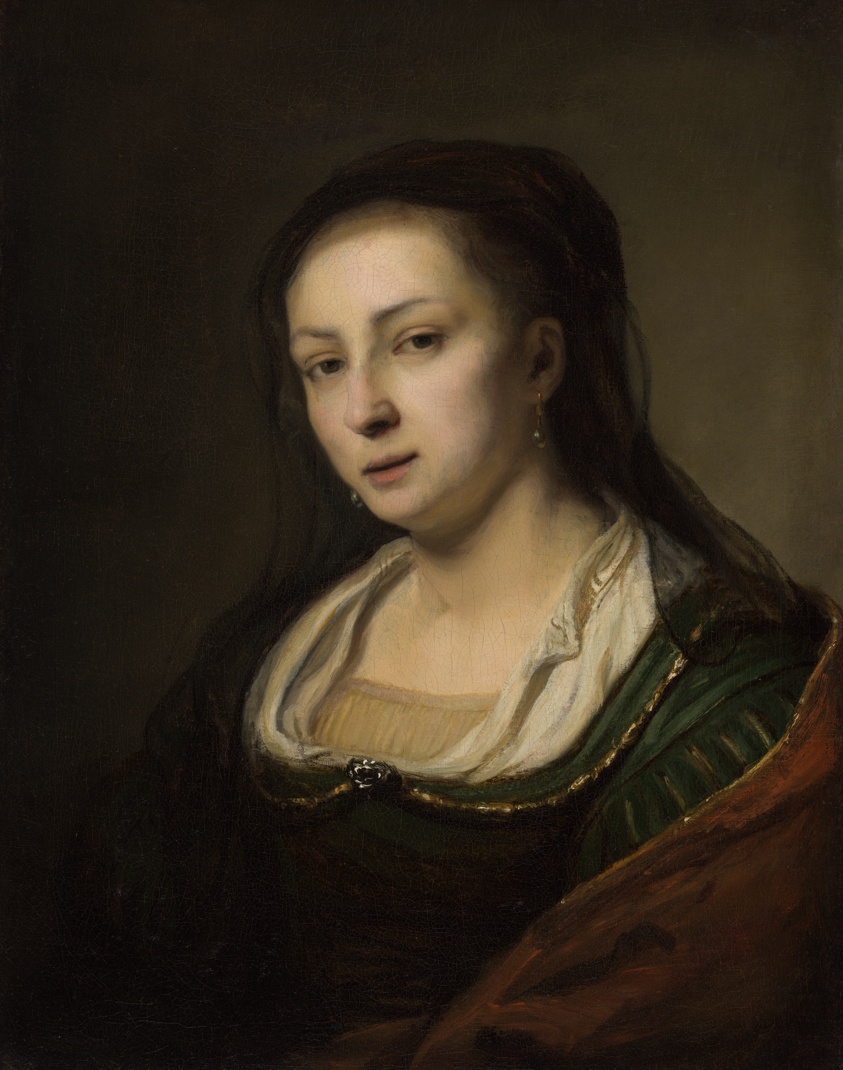
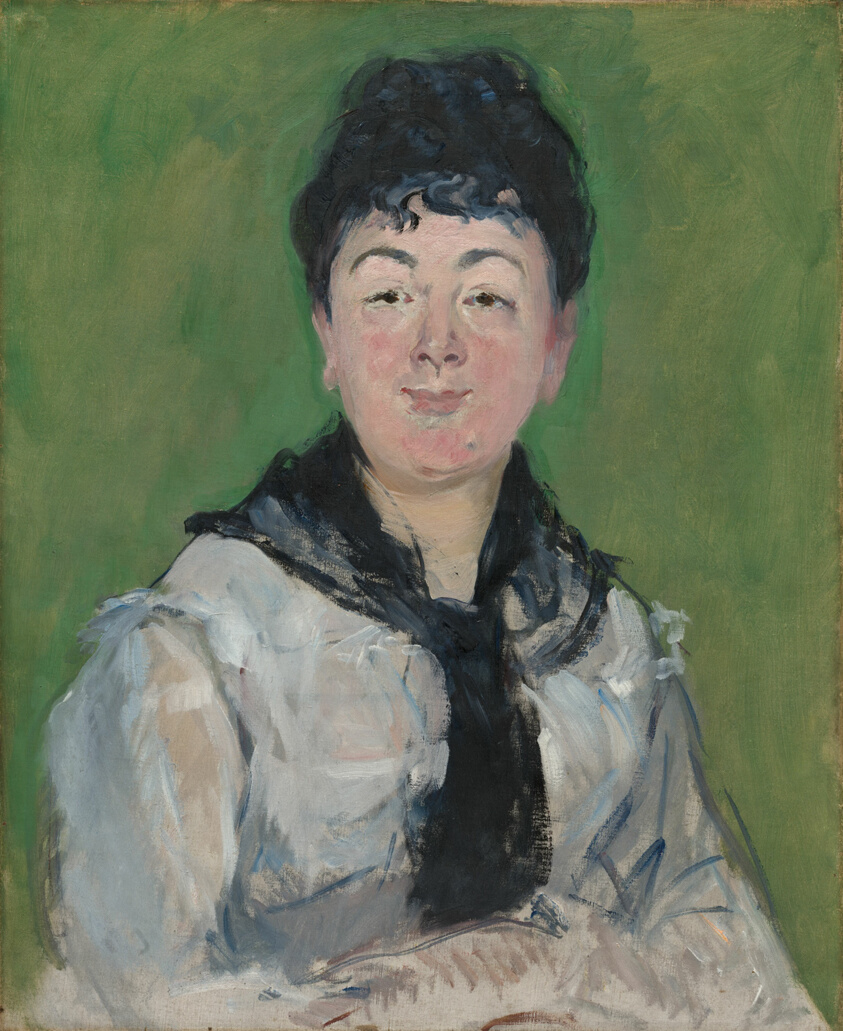
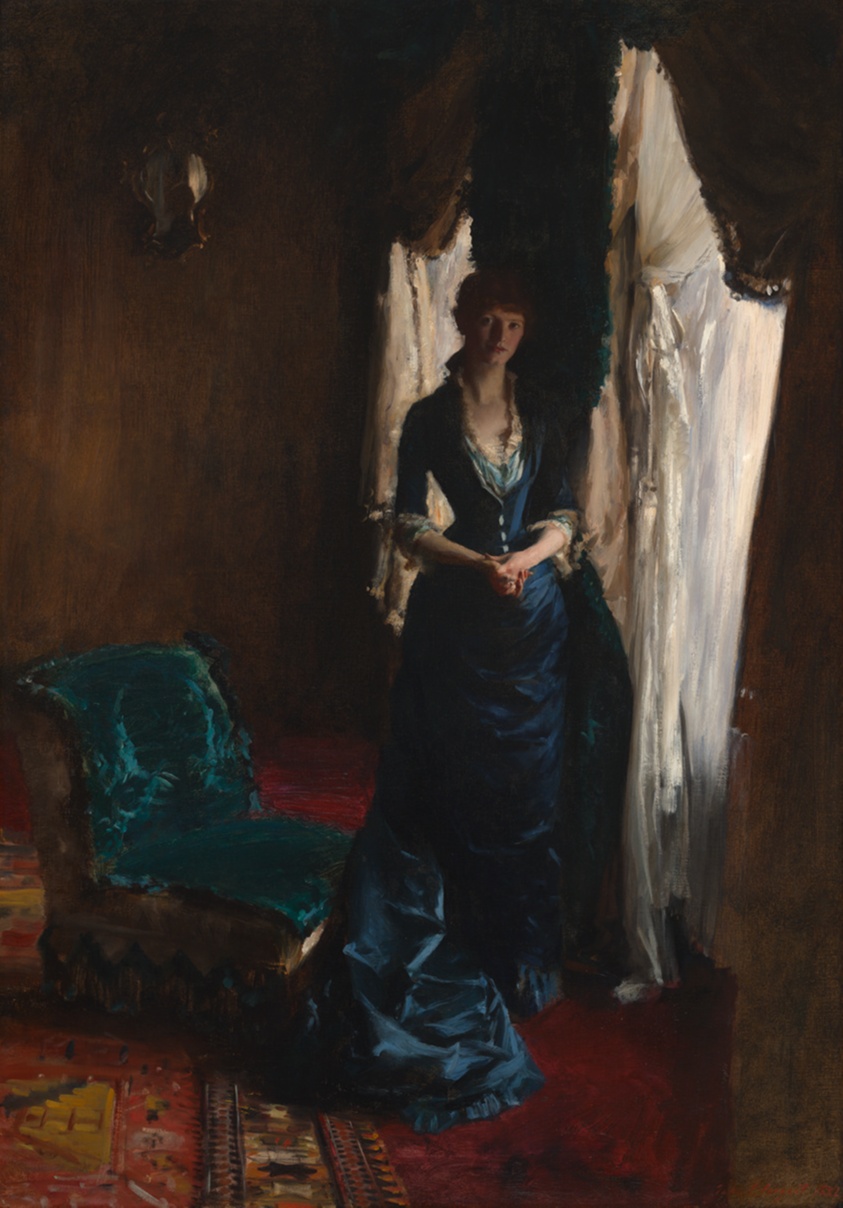
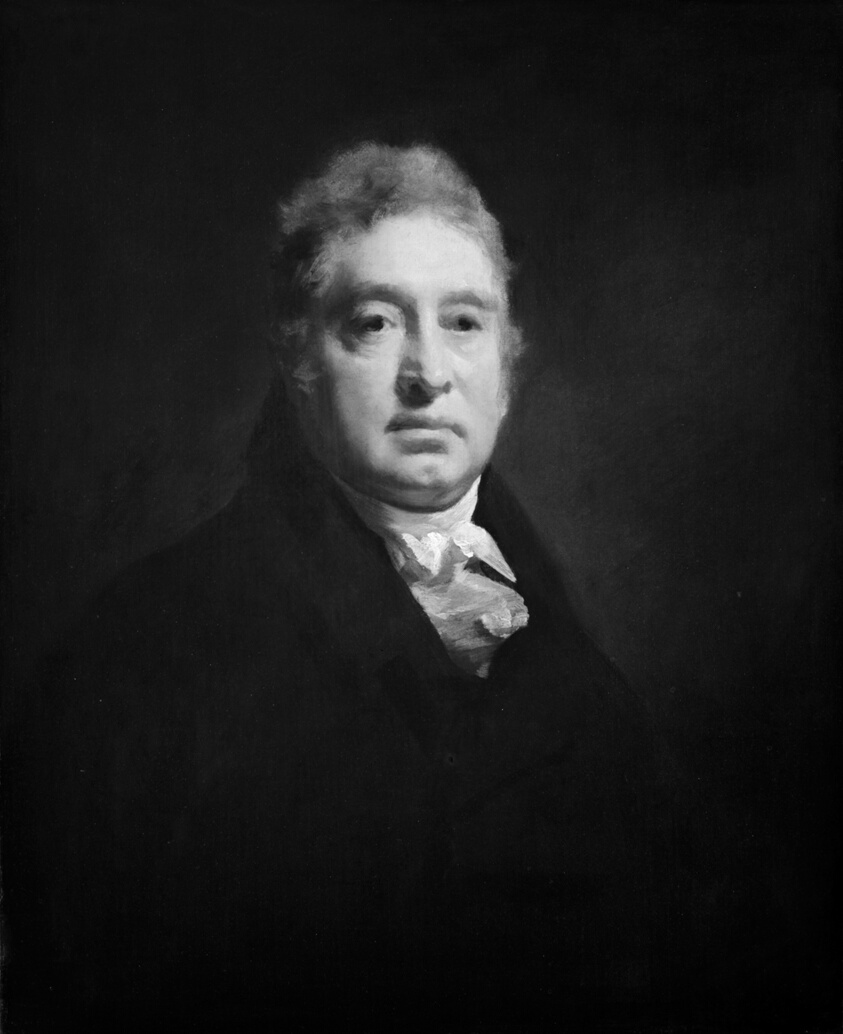
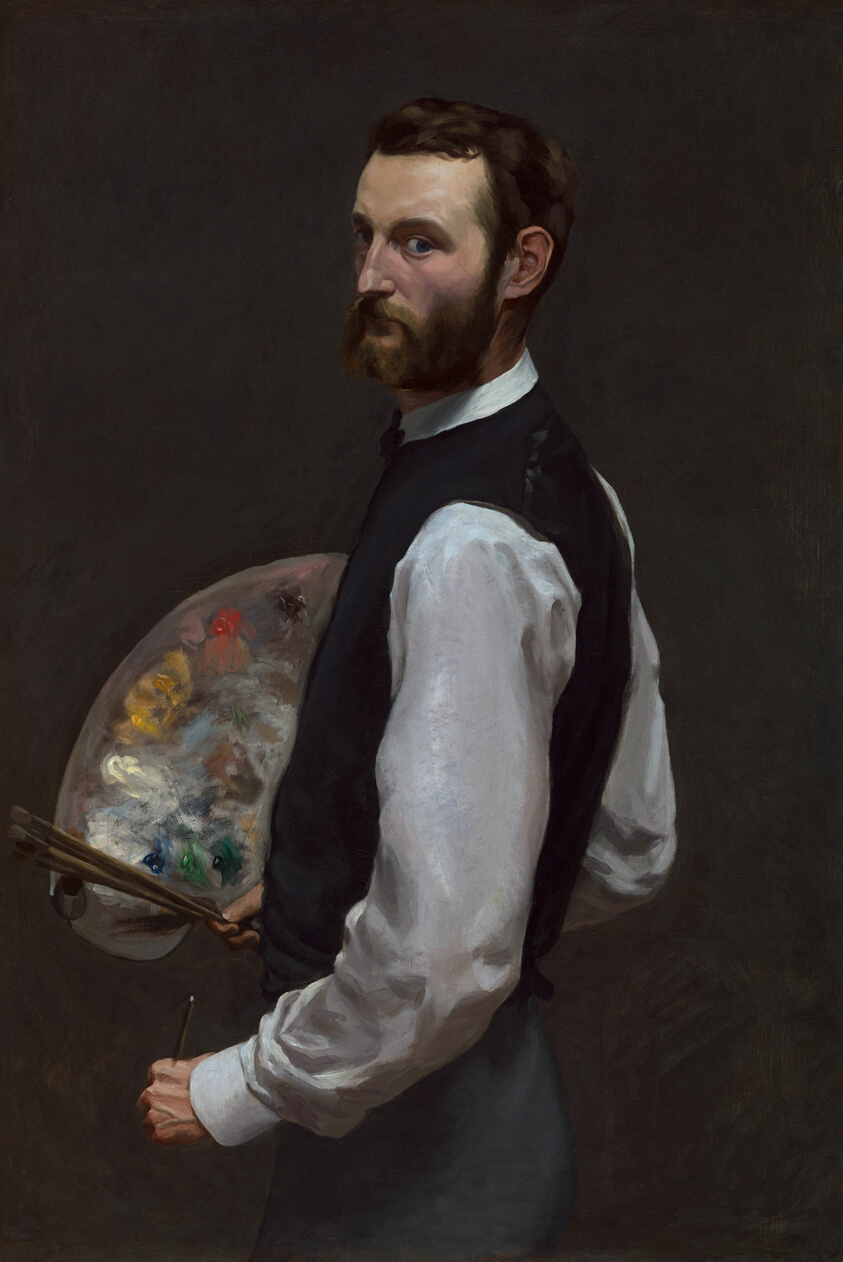
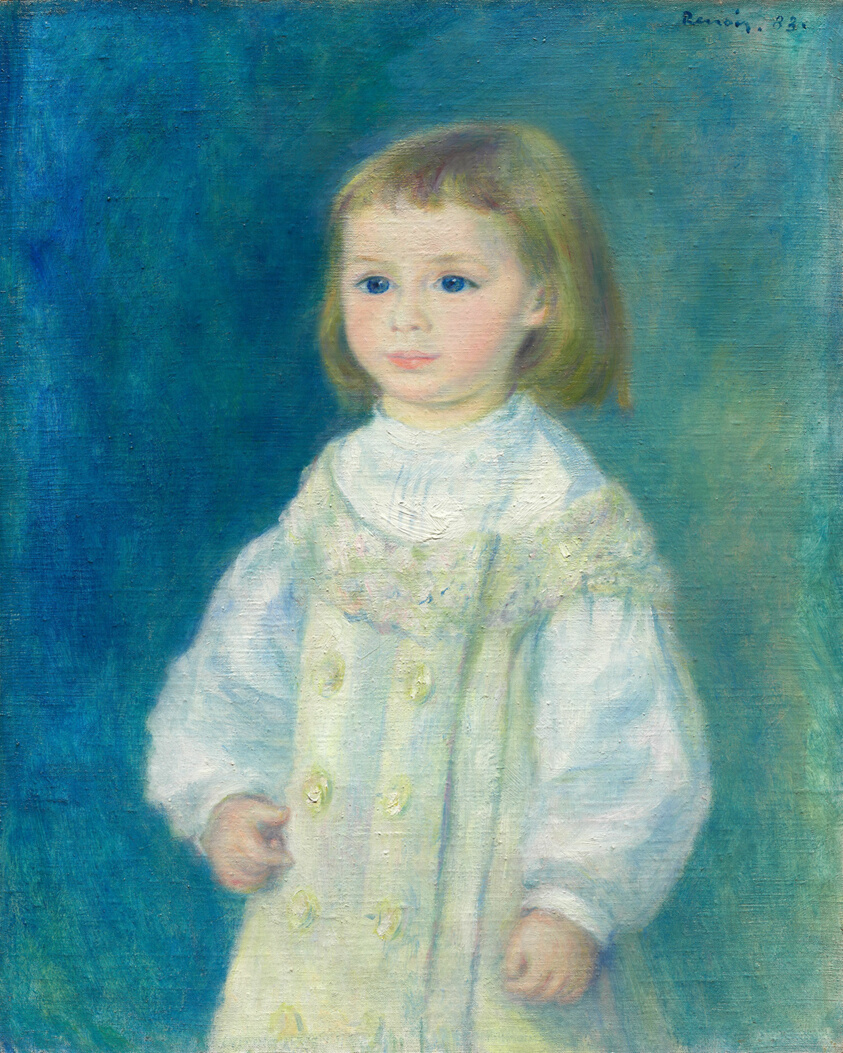
An oil portrait has deep, saturated color, smoothly blended skin and visible brushwork, built up in layers on canvas. All six works below are oil on canvas, from a 1650s Dutch portrait to Sargent and Renoir in the 1880s.
Oil painting guide-
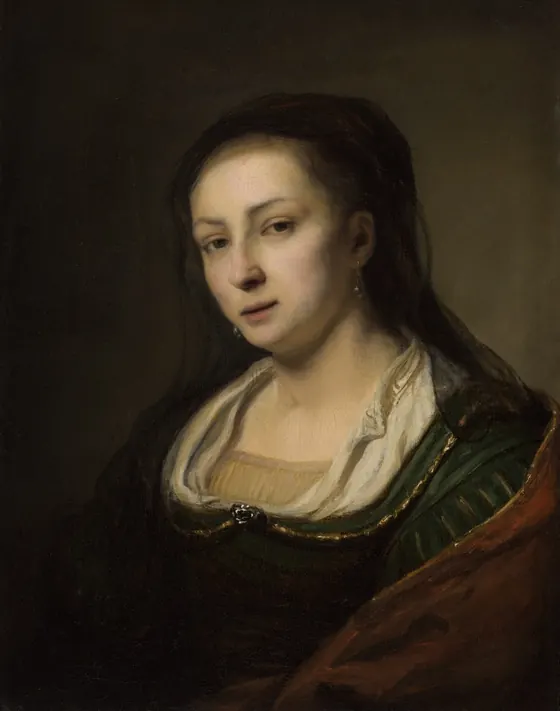
Portrait of a woman
Ferdinand Bol, c. 1655
Oil on canvas
-
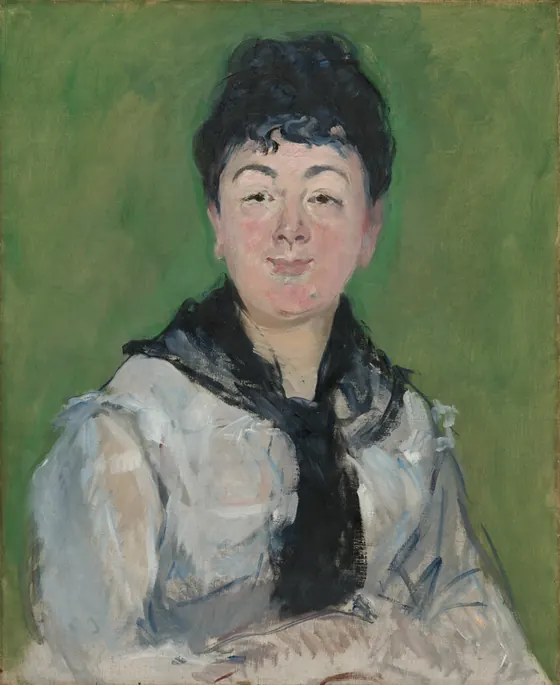
Portrait of a Woman with a Black Fichu
Édouard Manet, c. 1878
Oil on canvas
-
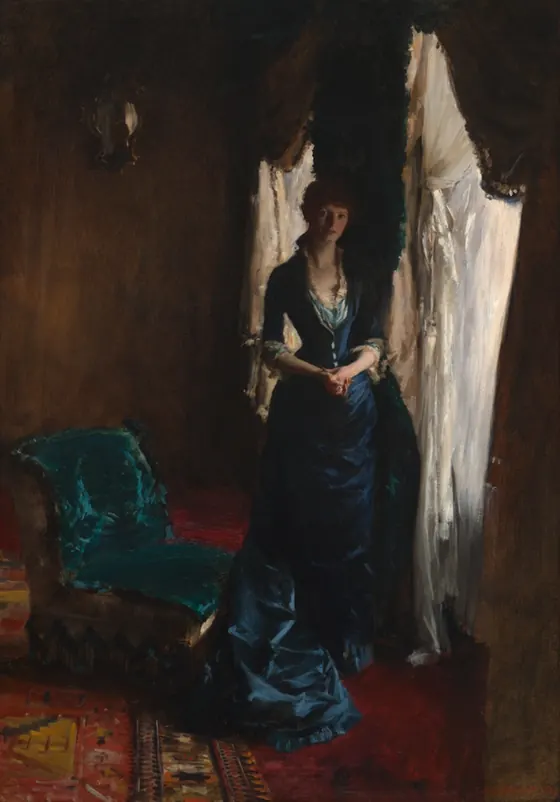
Madame Paul Escudier (Louise Lefevre)
John Singer Sargent, 1882
Oil on canvas
-
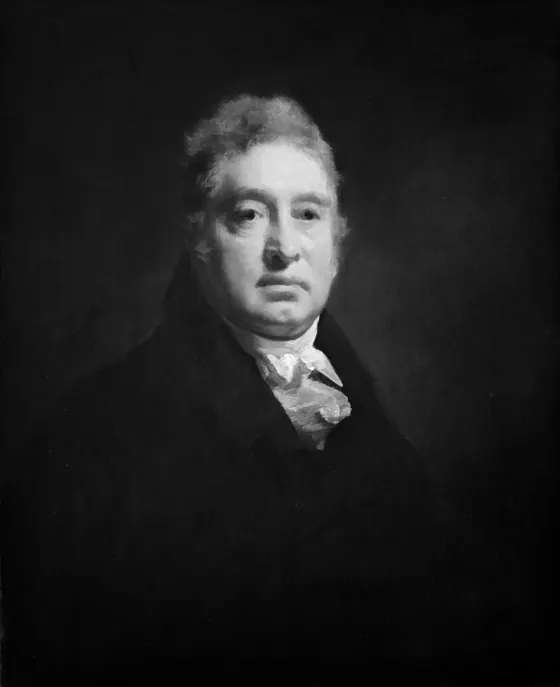
Portrait of a Man with Gray Hair
Sir Henry Raeburn, 1810 to 1820
Oil on canvas
-
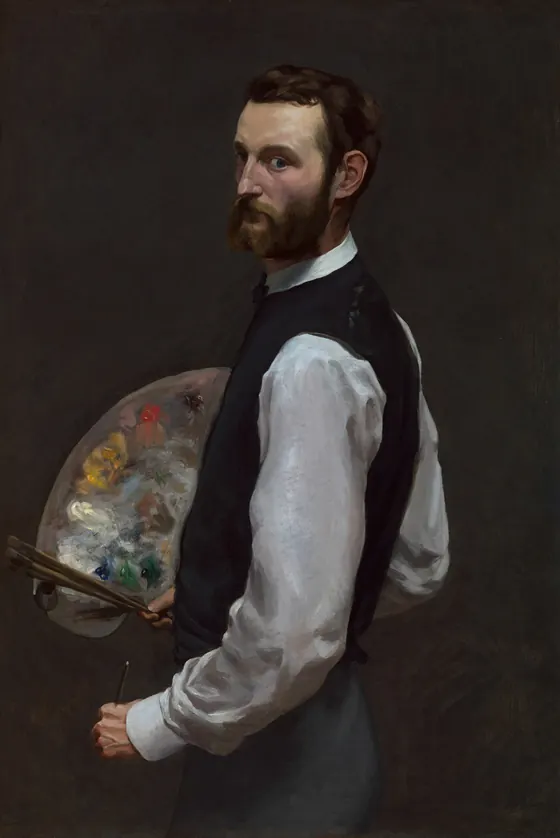
Self-Portrait
Frédéric Bazille, 1865 to 1866
Oil on canvas
-
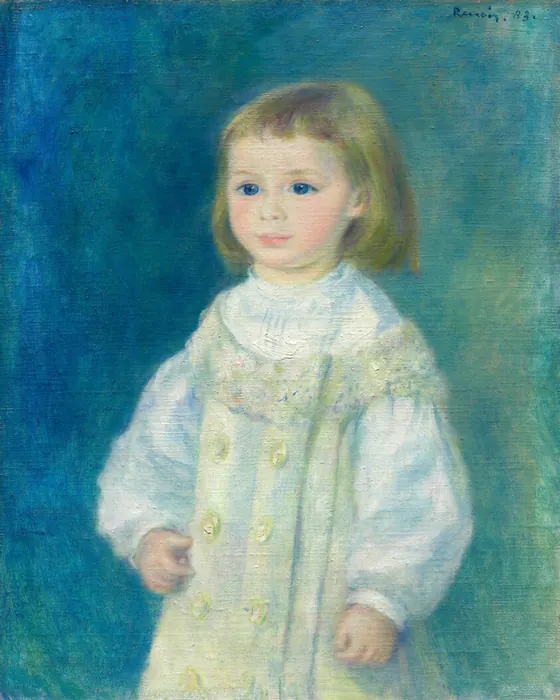
Lucie Berard (Child in White)
Pierre-Auguste Renoir, 1883
Oil on canvas
What does a watercolor portrait look like?
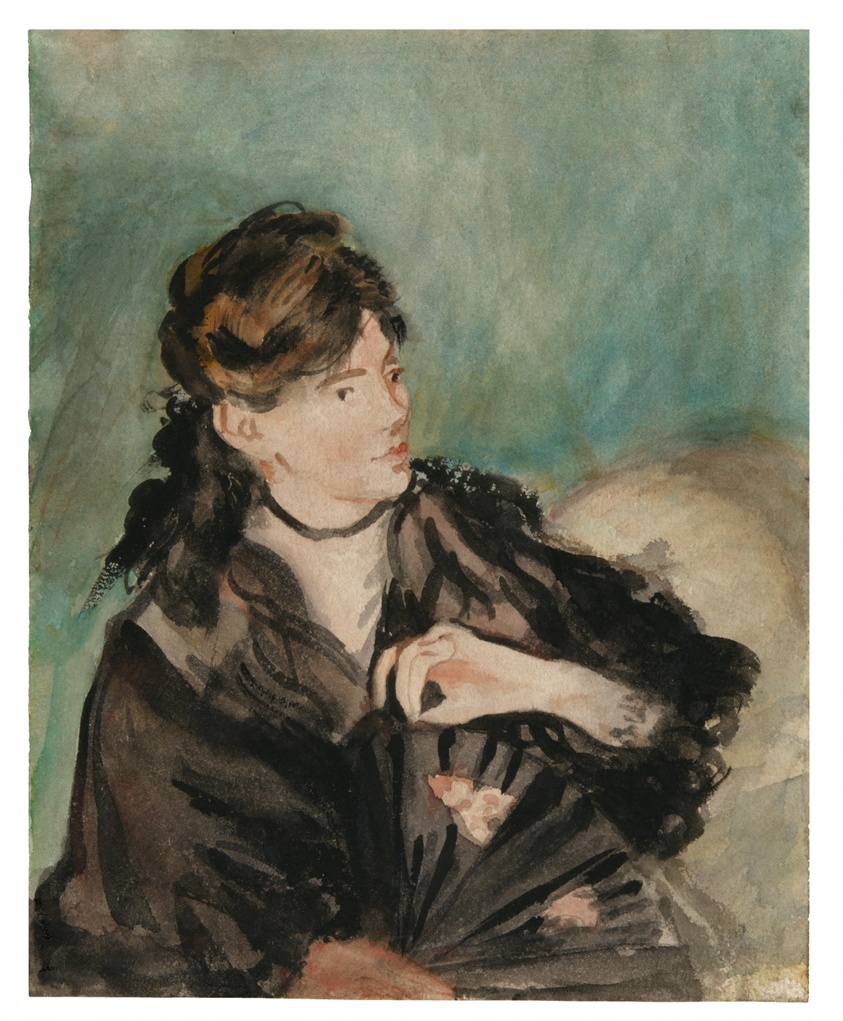
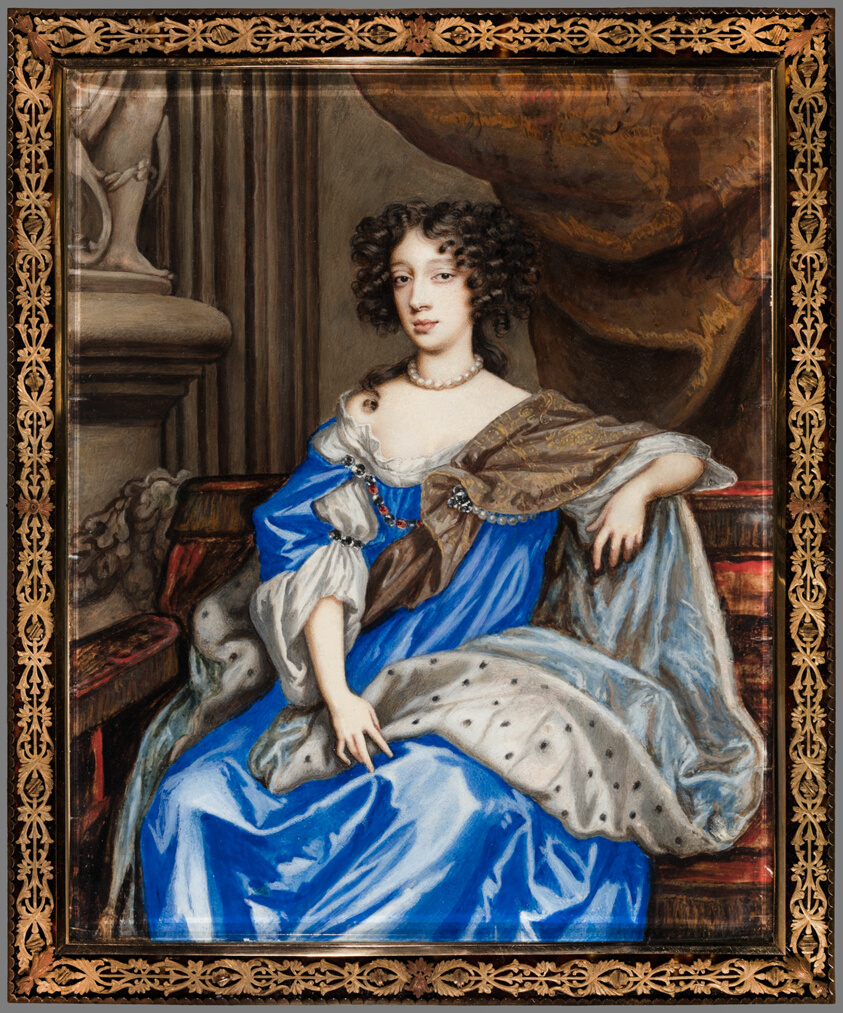
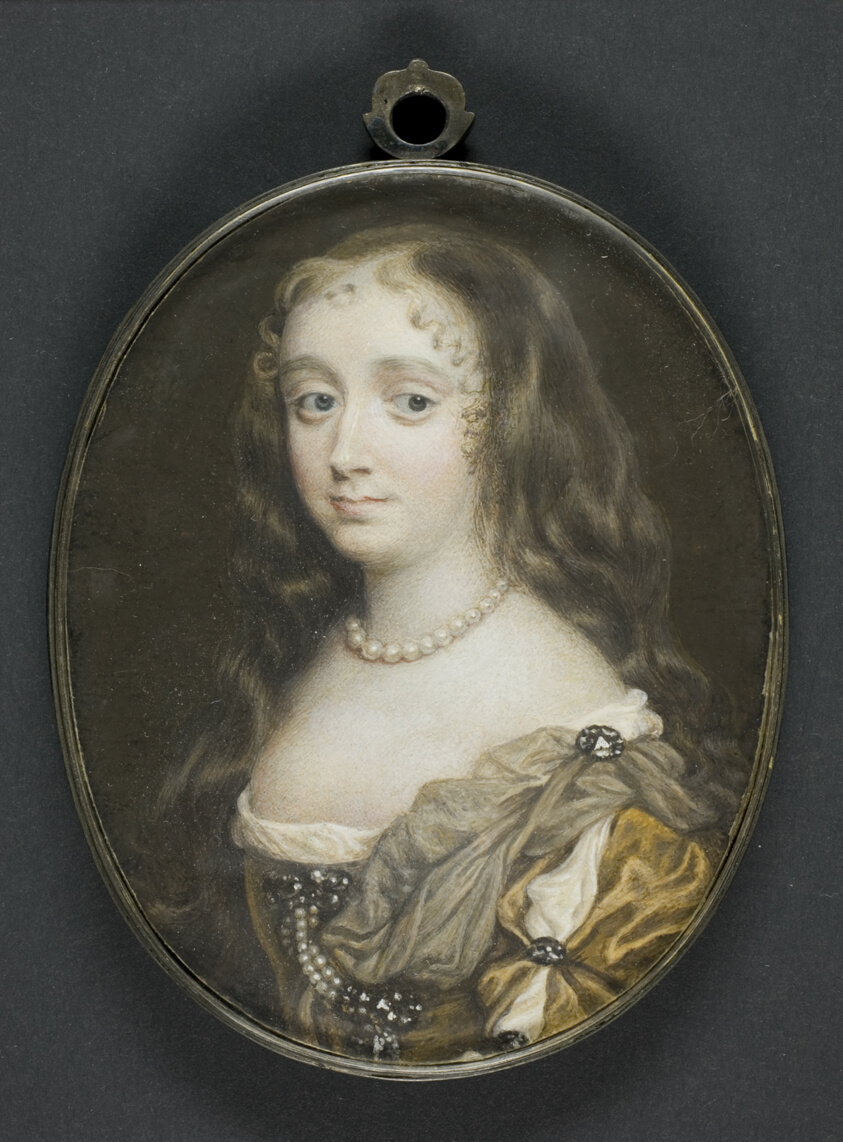
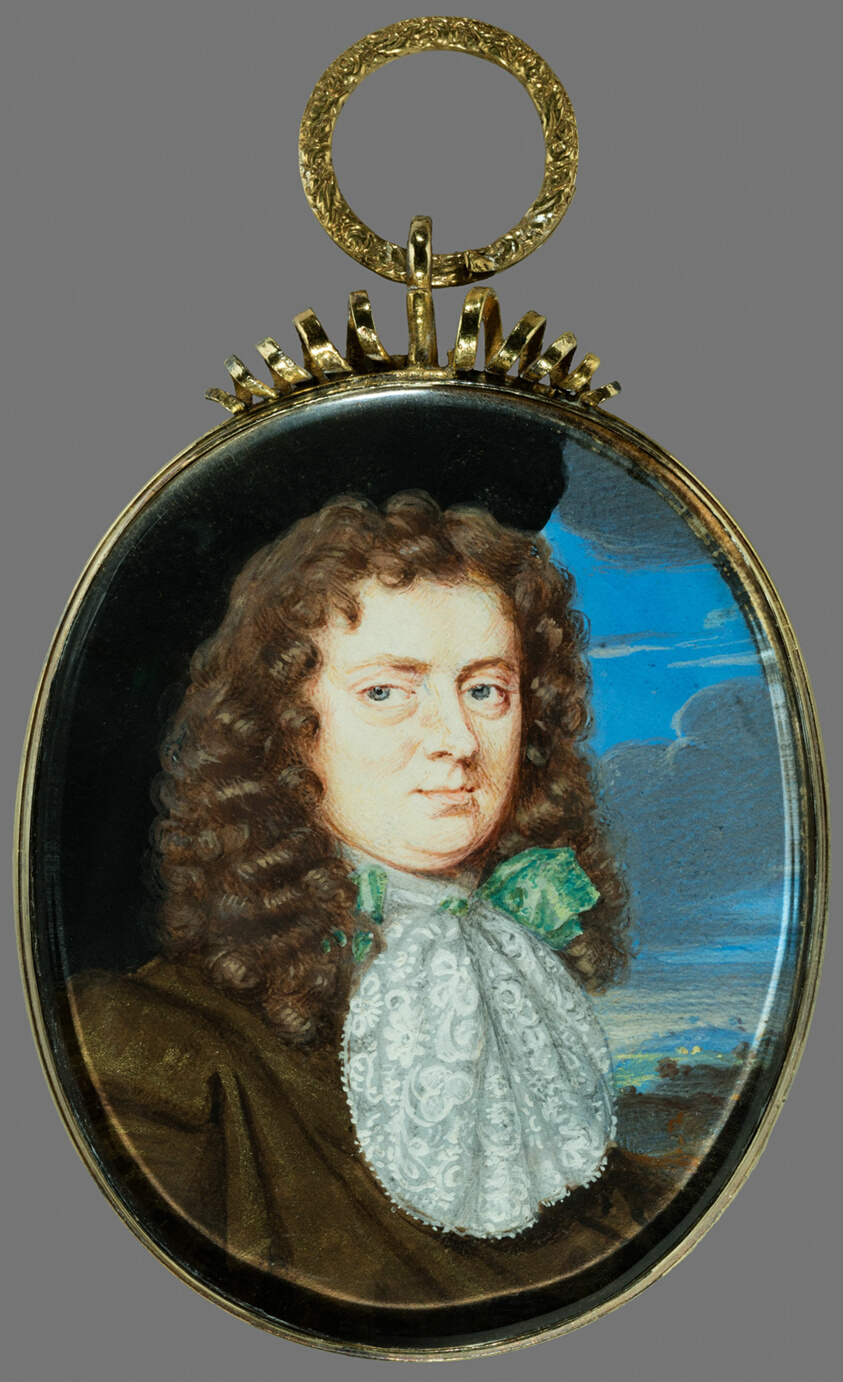
A watercolor portrait is lighter and more transparent than oil, with soft edges where the paint has spread into the paper. Manet’s loose sketch of Berthe Morisot sits here beside three small 17th-century portrait miniatures painted in watercolor on vellum, paper and ivory.
Watercolor guide-
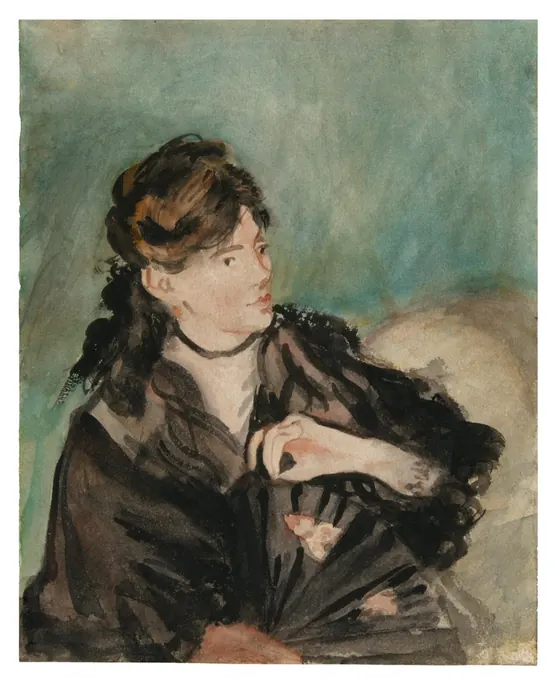
Portrait of Berthe Morisot with a Fan
Édouard Manet, 1874
Watercolor over traces of graphite on cream wove paper
-
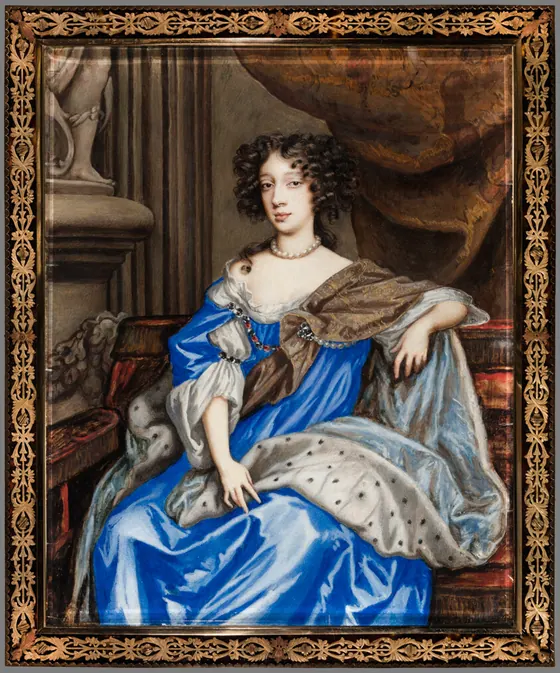
Portrait of Mary of Modena
Nicholas Dixon, c. 1673
Watercolor on vellum
-
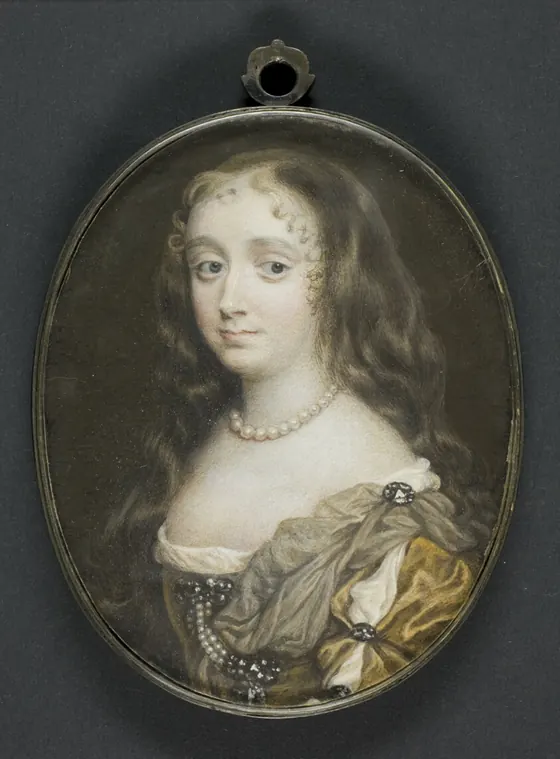
Portrait of Frances Theresa, Duchess of Richmond (1648-1702)
Richard Gibson, c. 1675
Opaque watercolor on paper
-
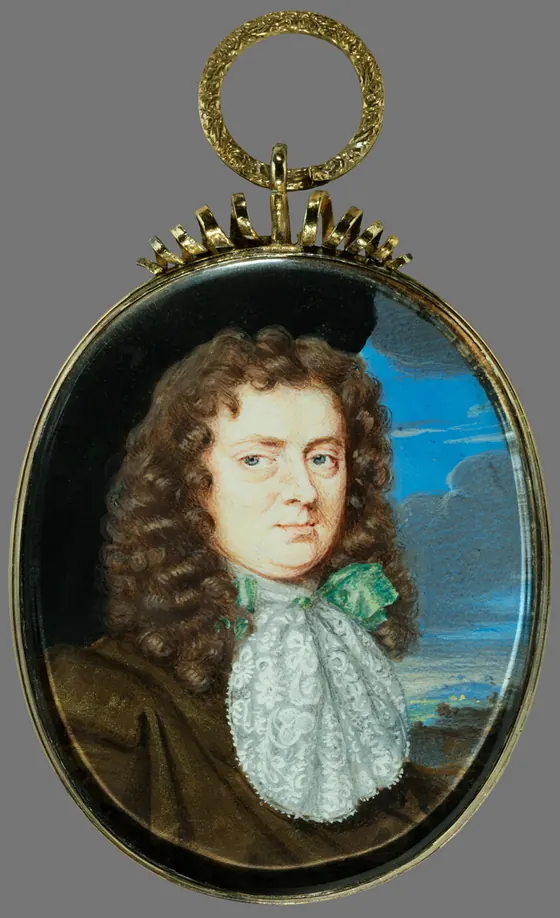
Portrait of James Butler, 1st Duke of Ormond (1610-1688)
Thomas Flatman, 17th century
Watercolor on ivory
What does a charcoal portrait look like?
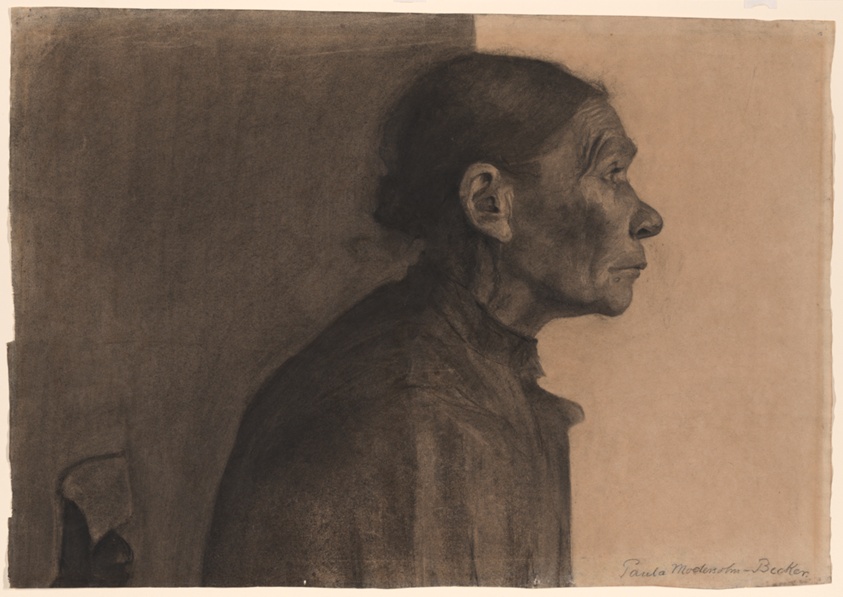
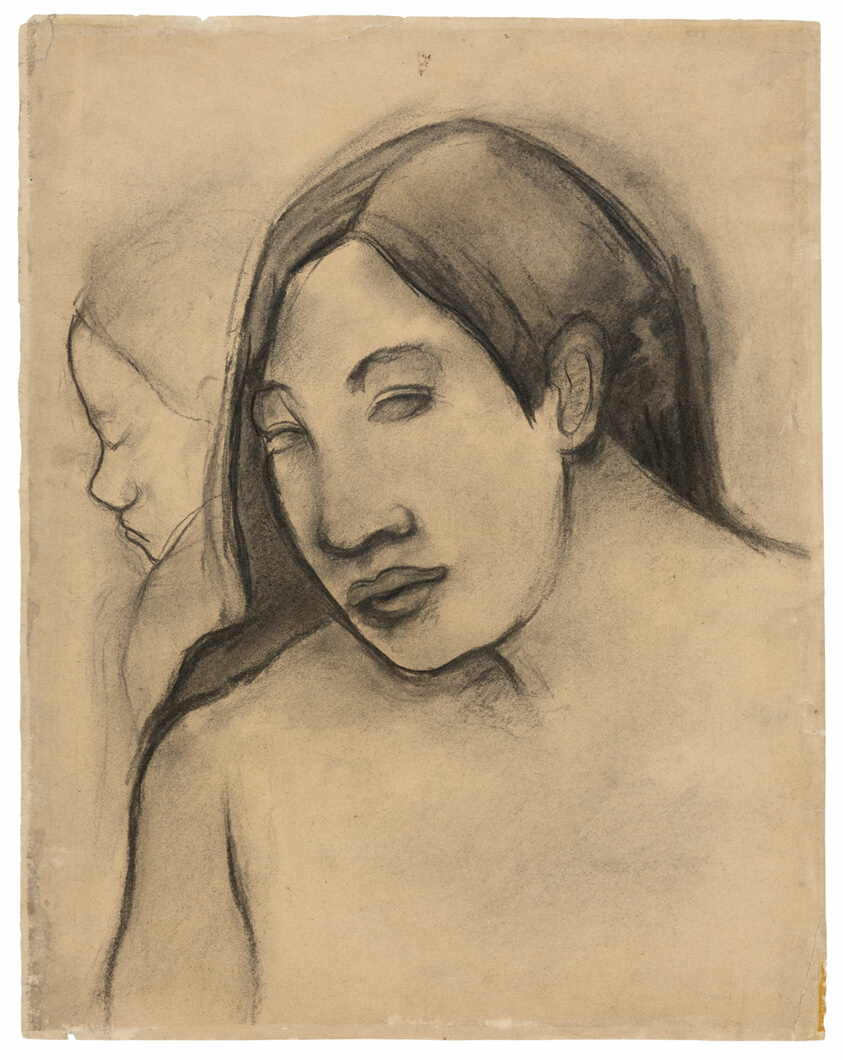
A charcoal portrait is built from tone rather than color: deep blacks, smudged mid-tones and the paper left bare for highlights. Both works below are charcoal on paper.
Pencil and charcoal guide-
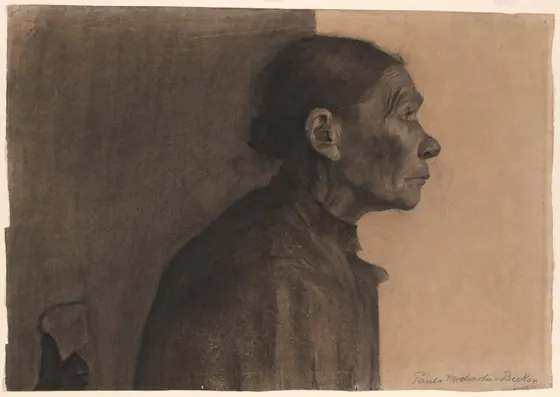
Woman in Profile, Turned Right
Paula Modersohn-Becker, 1898/99
Charcoal on cream wove paper
-
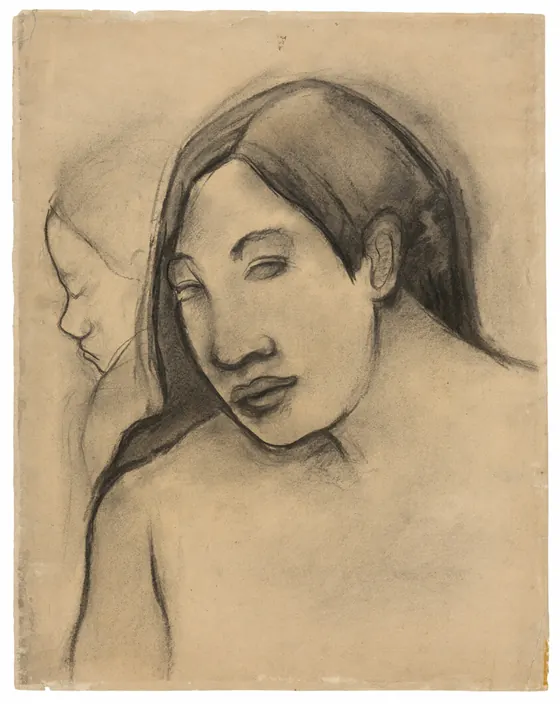
Heads of Tahitian Women, Frontal and Profile Views
Paul Gauguin, 1891/93
Charcoal and wetted charcoal, with stumping and erasing, on cream wove paper, selectively fixed
What does a line art portrait look like?
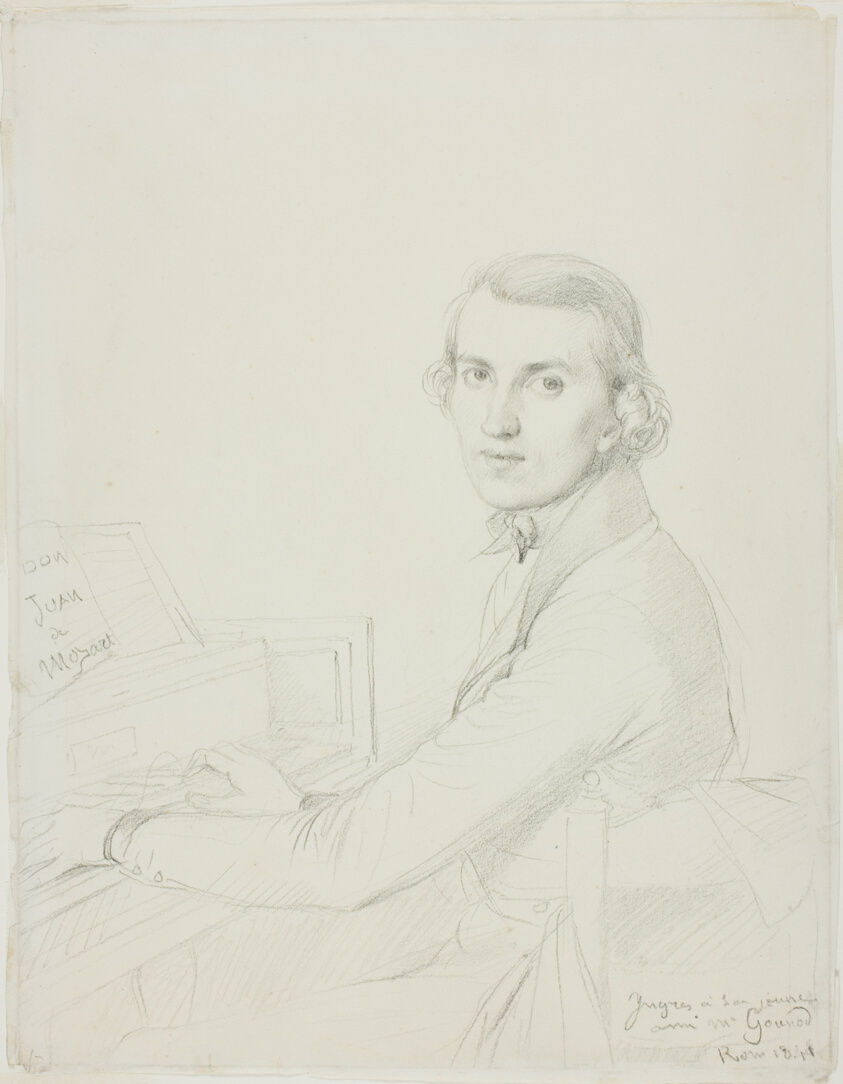
A line art portrait describes a face with a few precise outlines and very little shading. Ingres drew this graphite portrait of the composer Charles Gounod in 1841, and it shows how much a fine line can carry on its own.
Line art guide-
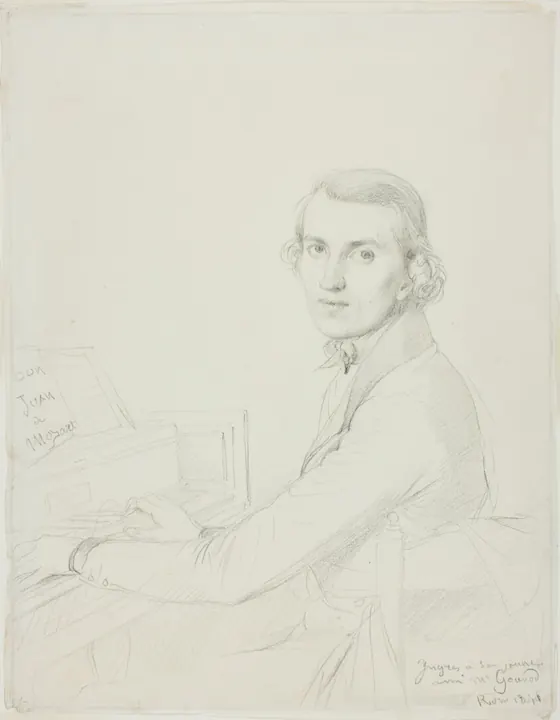
Charles Gounod
Jean Auguste Dominique Ingres, 1841
Graphite on ivory wove paper, discolored to cream
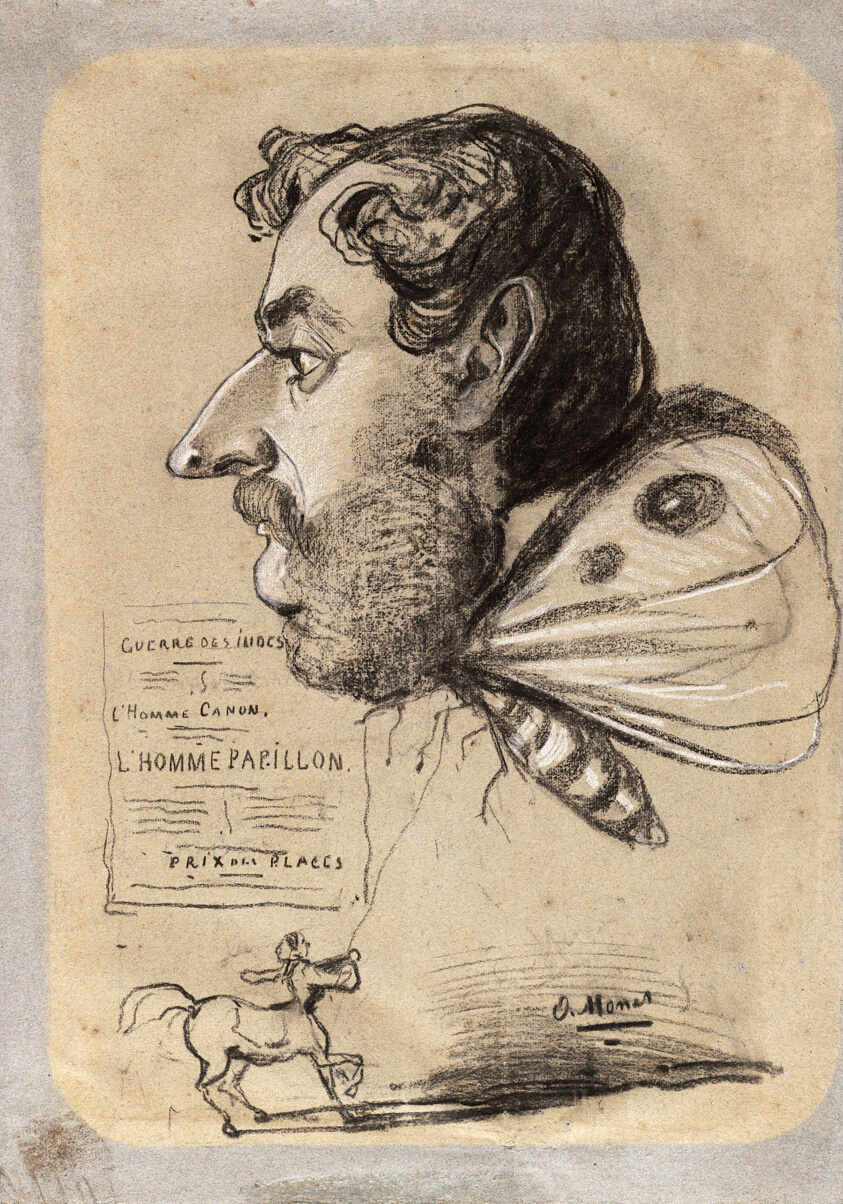
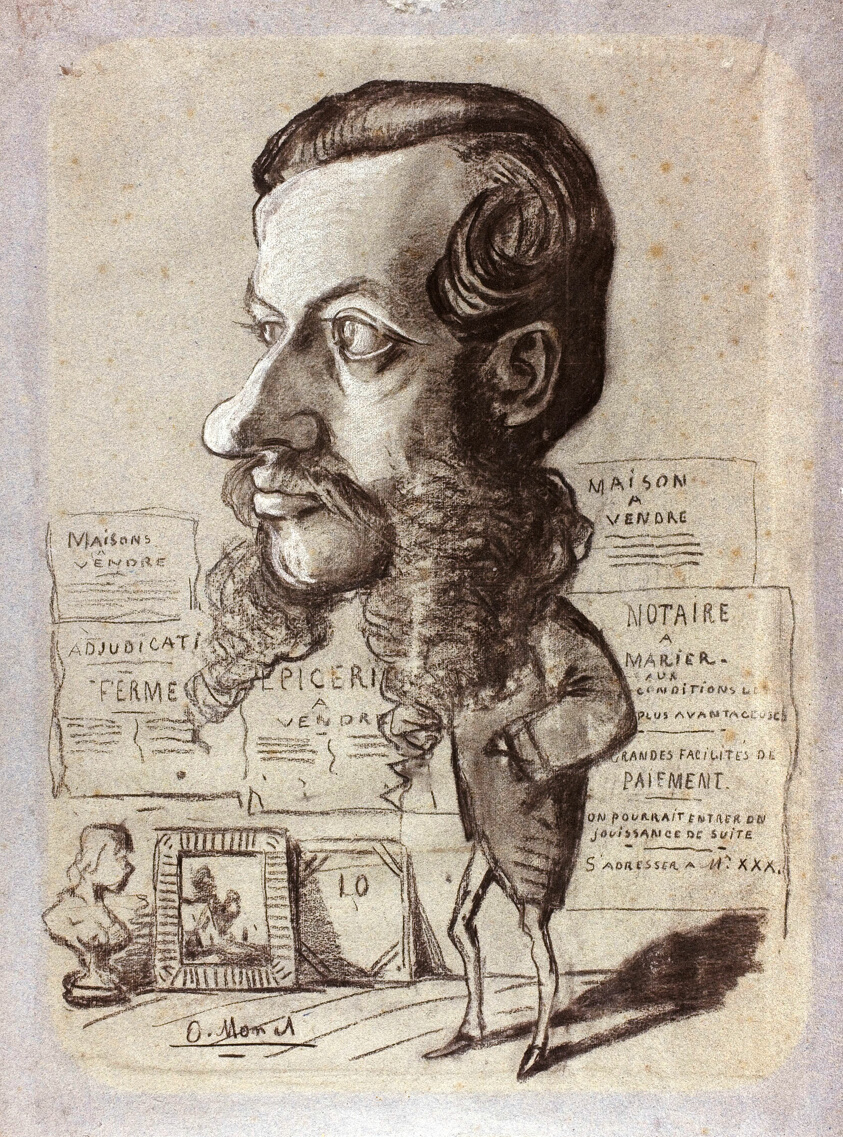
What does a caricature portrait look like?
A caricature portrait exaggerates a sitter’s most recognizable features, such as a large head on a small body, while keeping the likeness. Claude Monet drew both of these in chalk in about 1858, when he was 17 or 18.
Caricature guide-
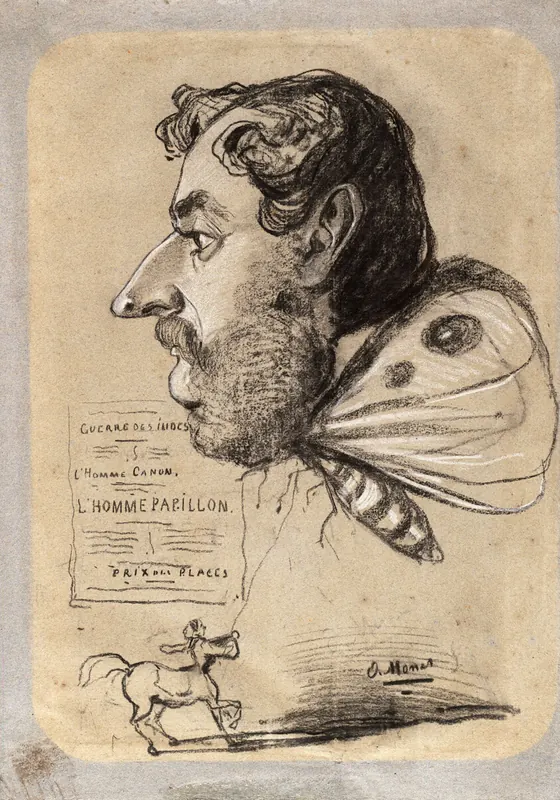
Caricature of Jules Didier (“Butterfly Man”)
Claude Monet, c. 1858
Black and white chalks on blue laid paper
-
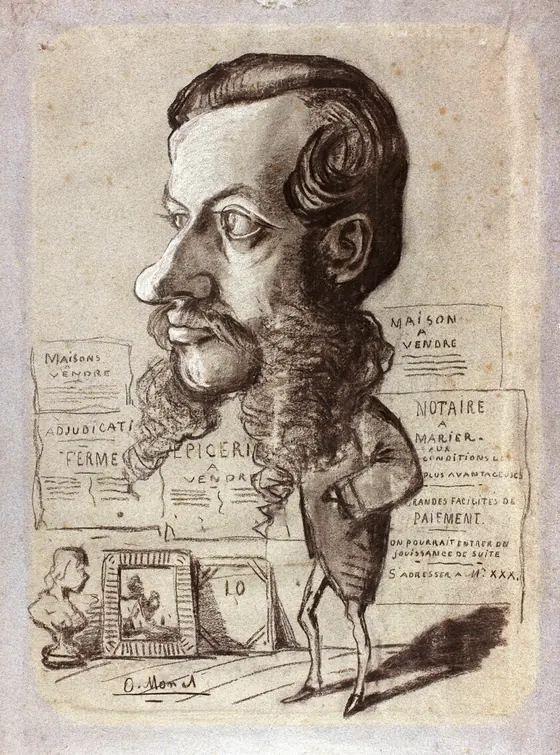
Caricature of Léon Manchon
Claude Monet, 1858
Black and white chalks on blue laid paper
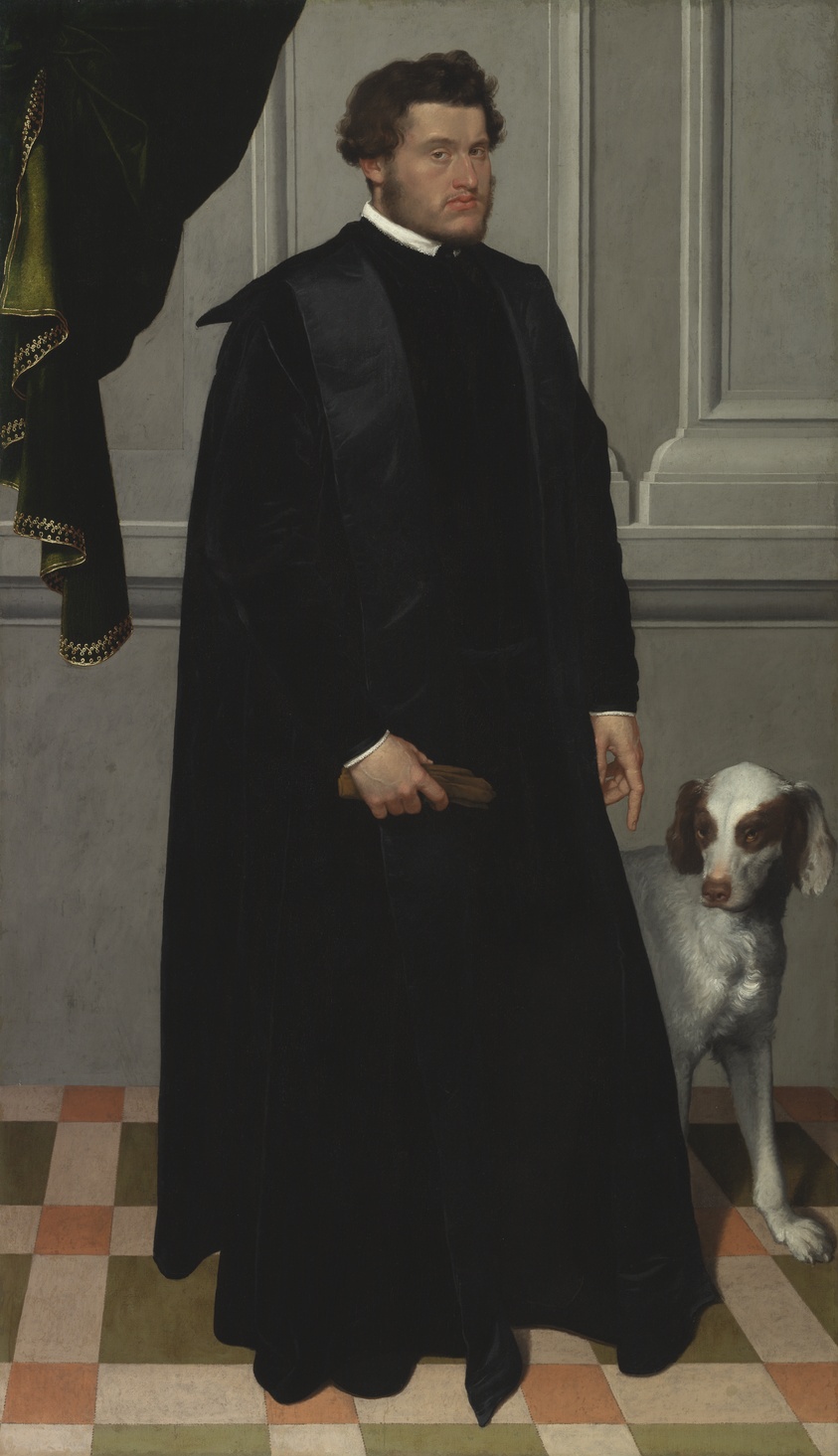
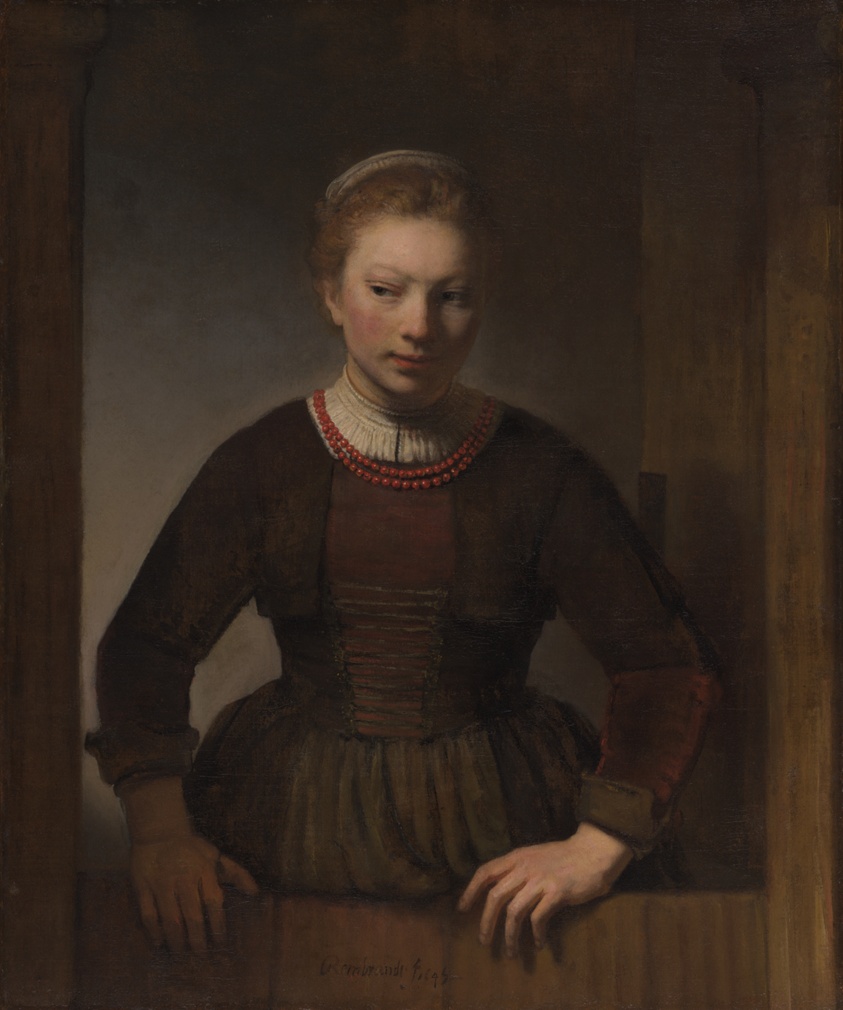
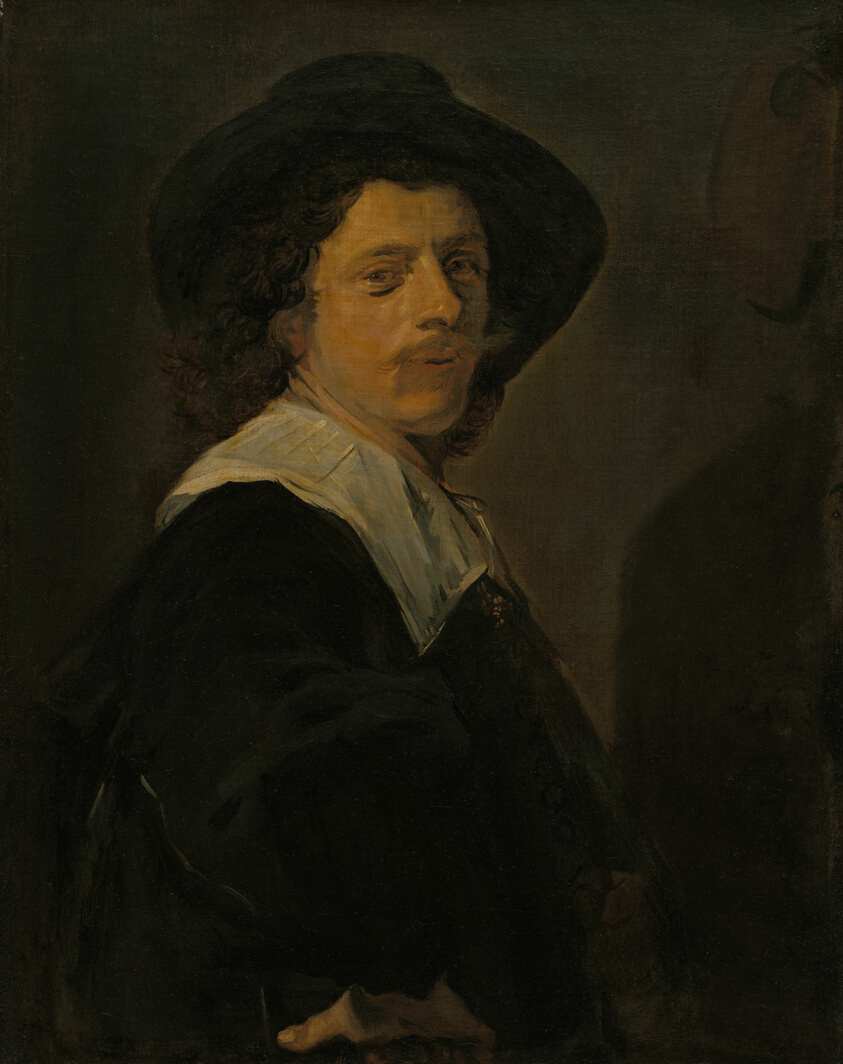
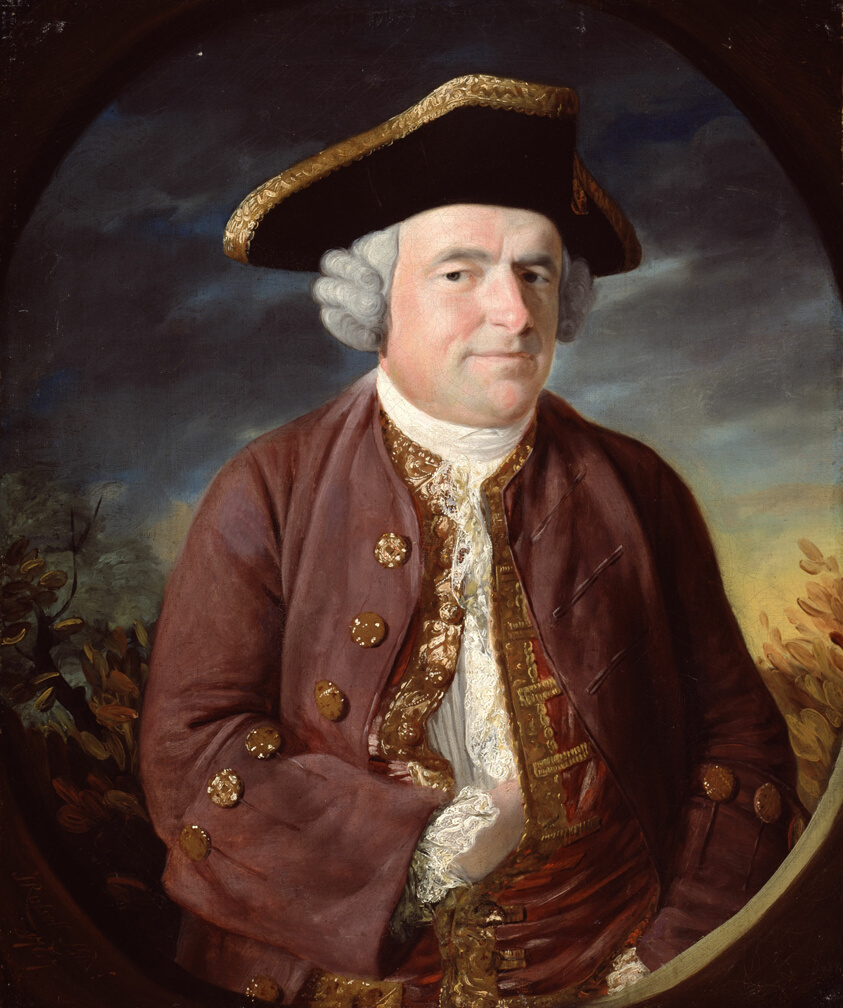
What do Renaissance and old-master portraits look like?
Renaissance and old-master portraits show the sitter in formal dress against a dark or architectural setting, painted in oil with careful, dramatic light. These are the paintings that “royal” and “Renaissance” portrait services imitate when they add a costume to your photo.
Renaissance and royal guide-
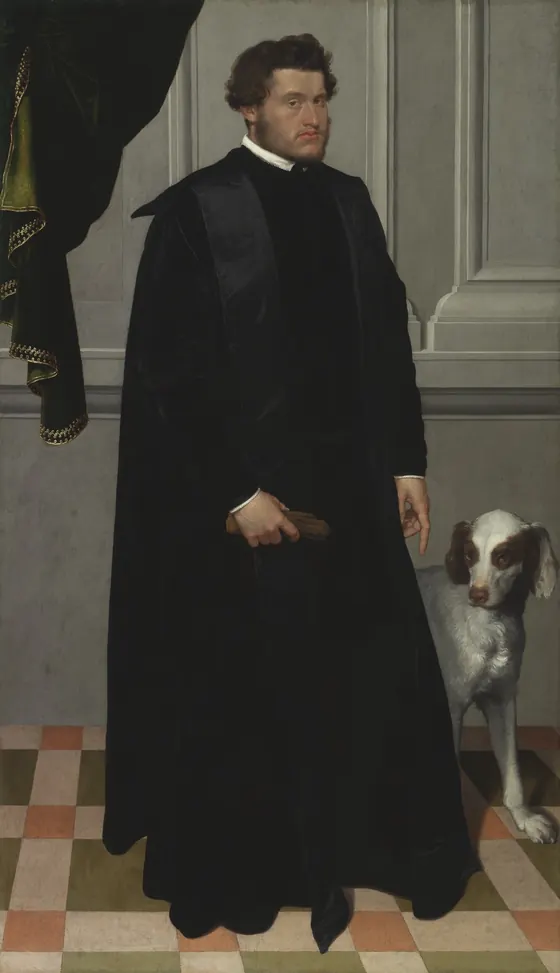
Gian Lodovico Madruzzo
Giovanni Battista Moroni, 1551 to 1552
Oil on canvas
-
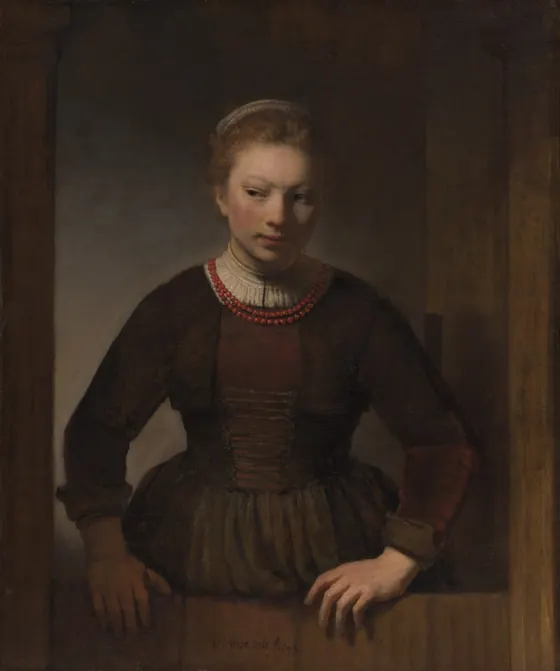
Young Woman at an Open Half-Door
Workshop of Rembrandt van Rijn, 1645
Oil on canvas
-
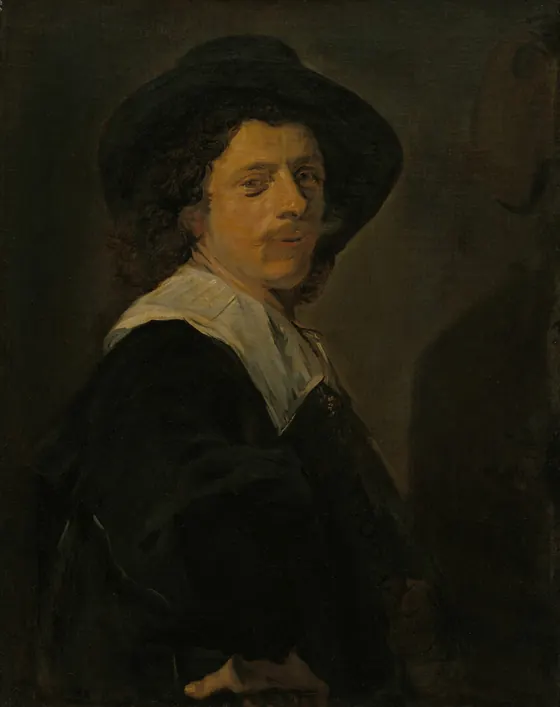
Portrait of an Artist
Follower of Frans Hals, 1644
Oil on canvas
-
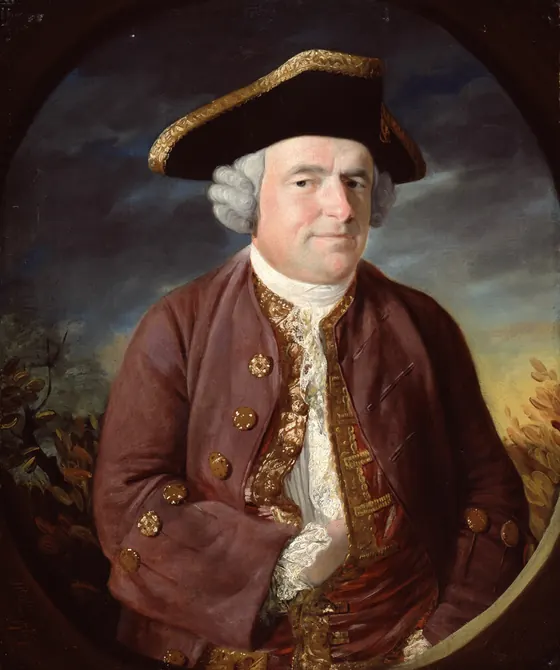
Portrait of a Man in a Tricorn Hat
John Russell, 1767
Oil on canvas
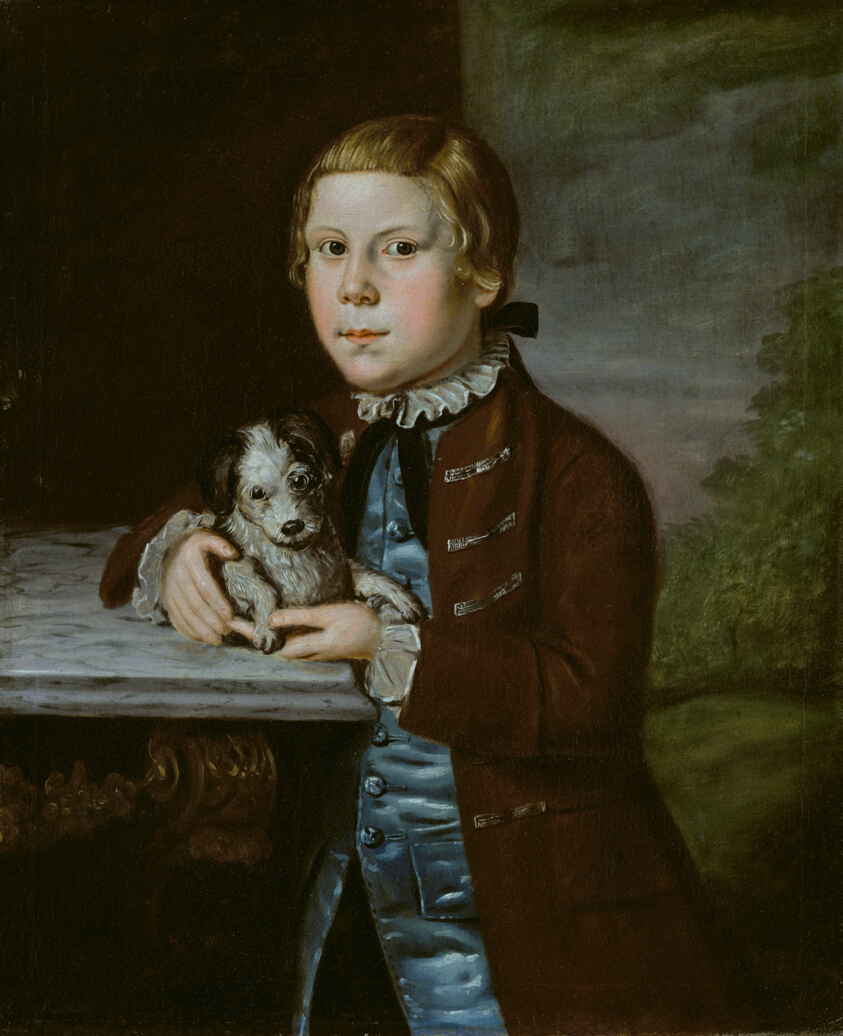
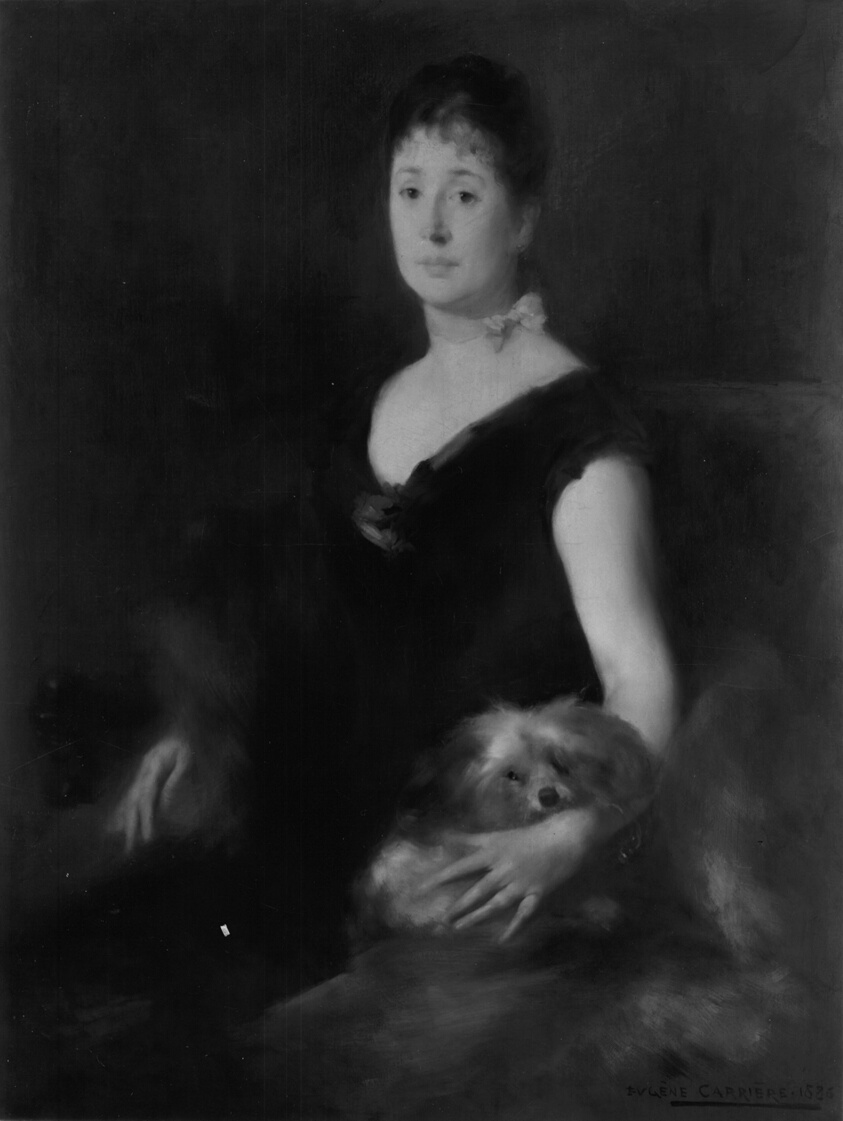
How have painters included dogs in portraits?
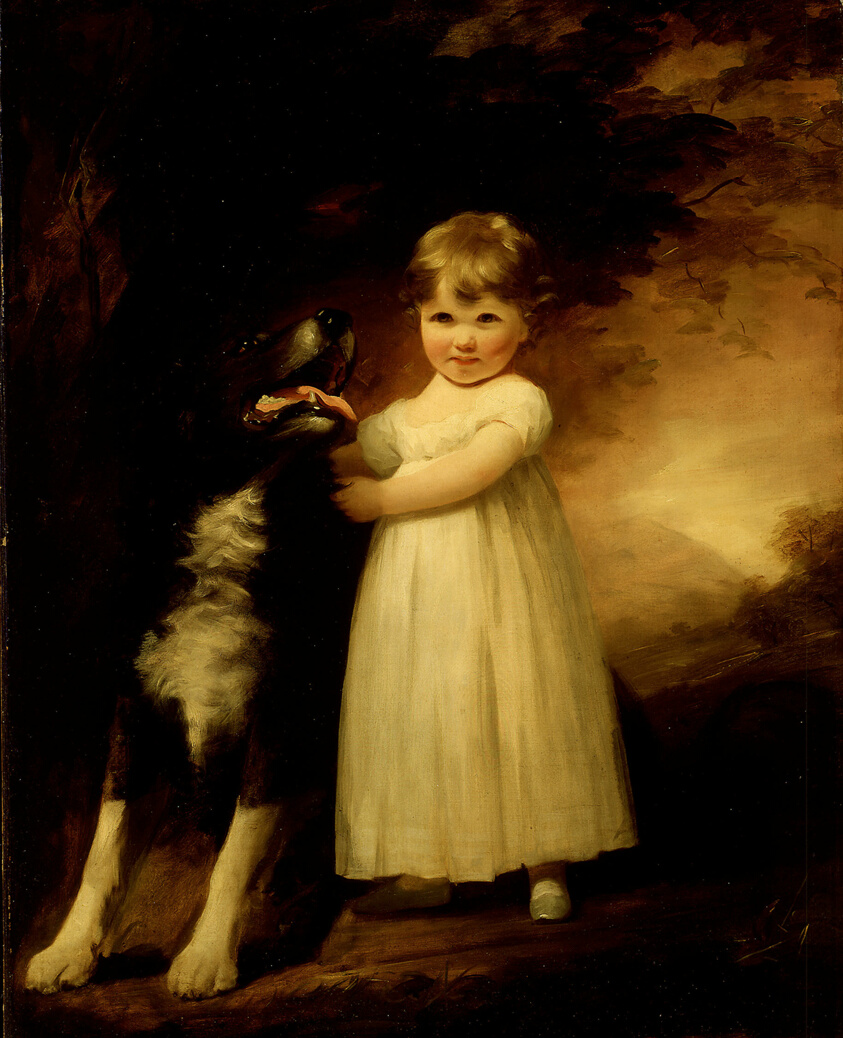
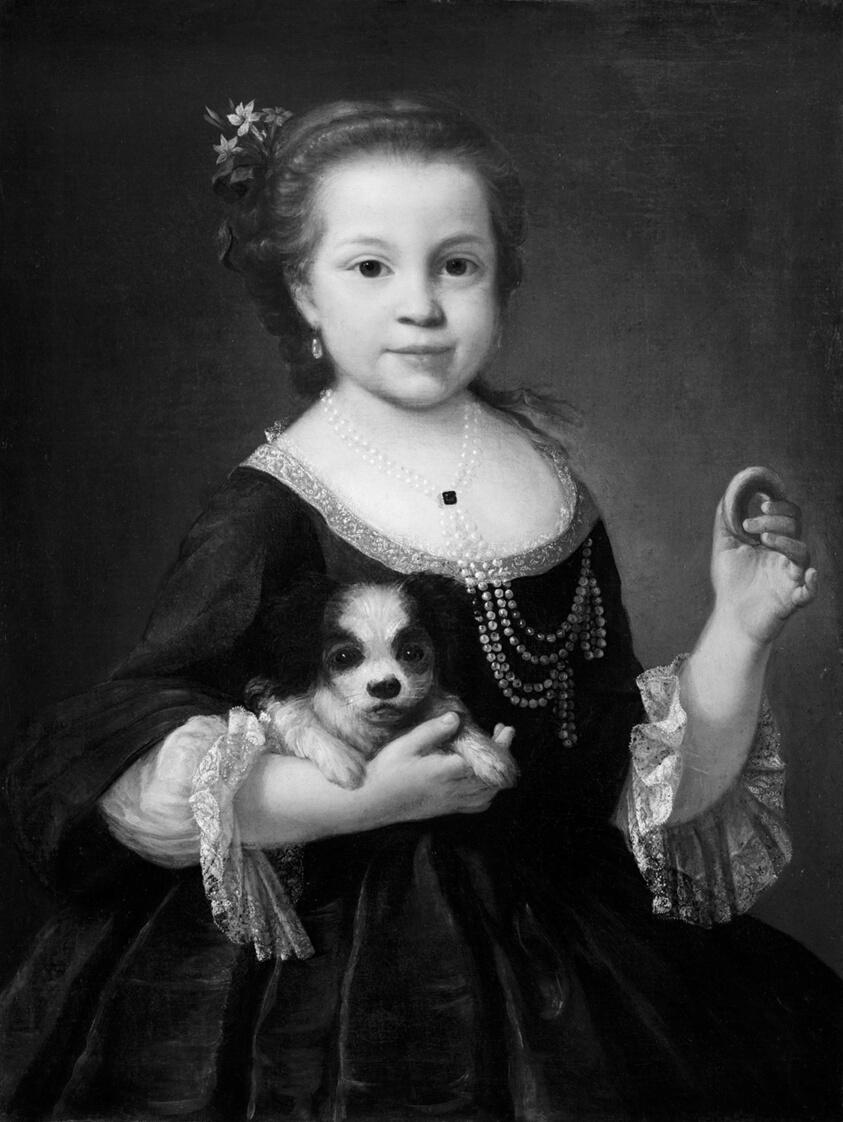
Painters have included dogs in family and children’s portraits for centuries, usually beside or in the arms of their owner. All four works below are oil on canvas, painted between about 1766 and 1885.
Dogs in portraits guide-
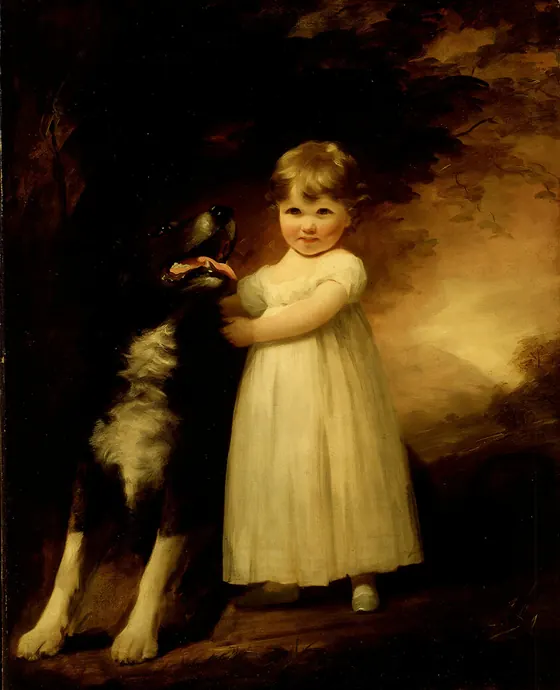
Eleanor Margaret Gibson-Carmichael
Sir Henry Raeburn, 1802 to 1803
Oil on canvas
-
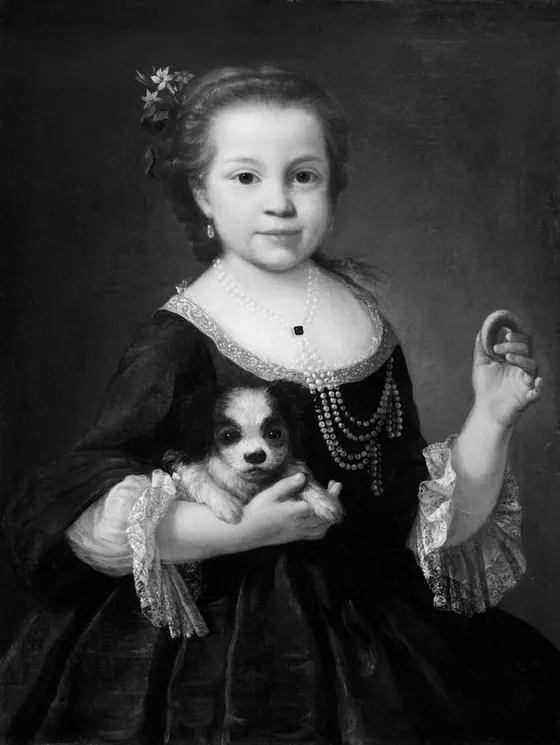
Portrait of a Girl with a Dog
Alessandro Longhi, c. 1770
Oil on canvas
-
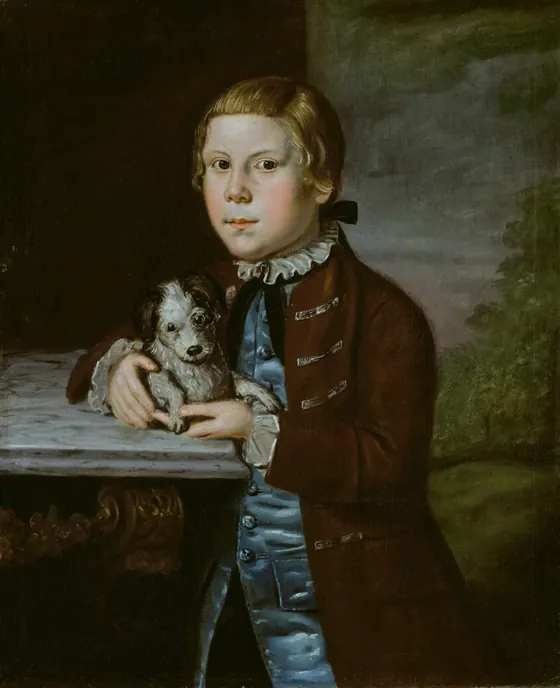
Boy of Hallett Family with Dog
Artist unknown, 1766 to 1776
Oil on canvas
-
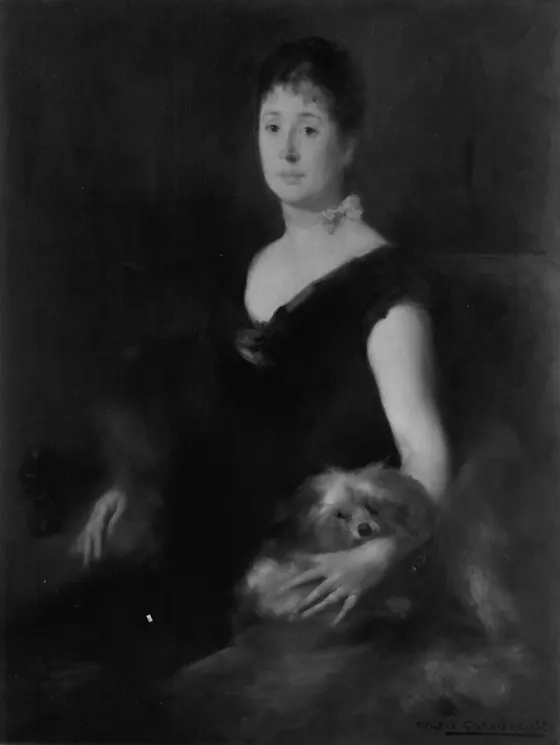
Portrait of a Lady with a Dog
Eugène Carrière, 1885
Oil on canvas
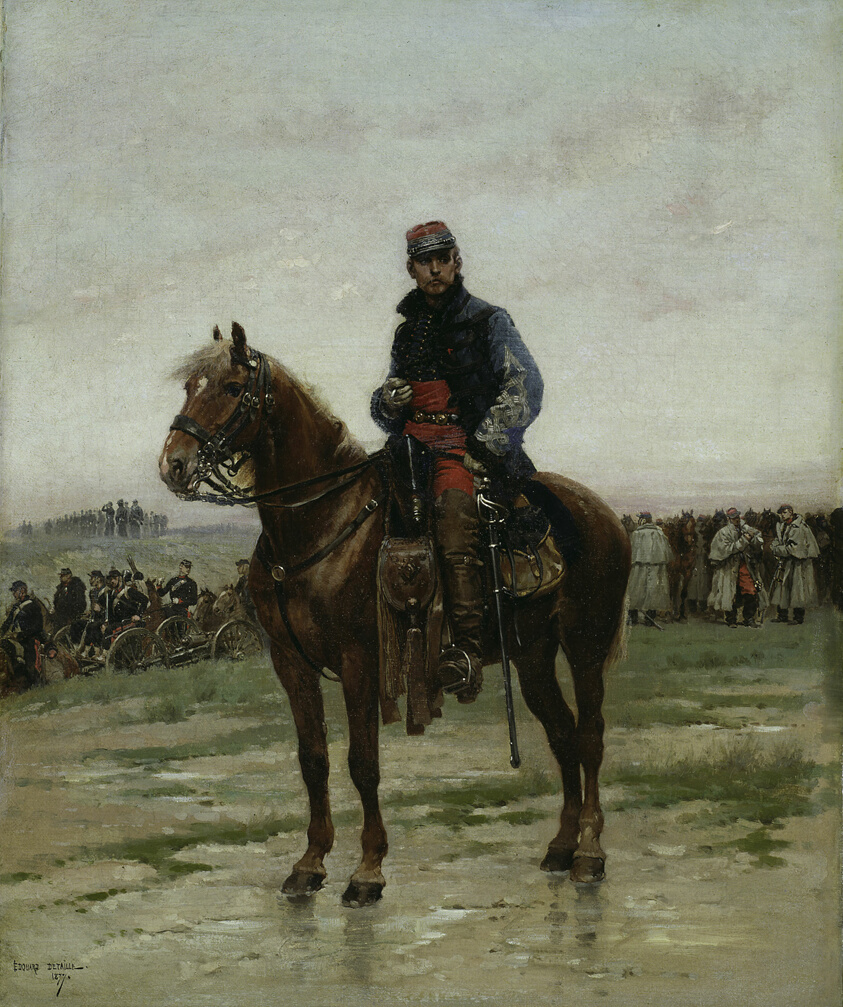
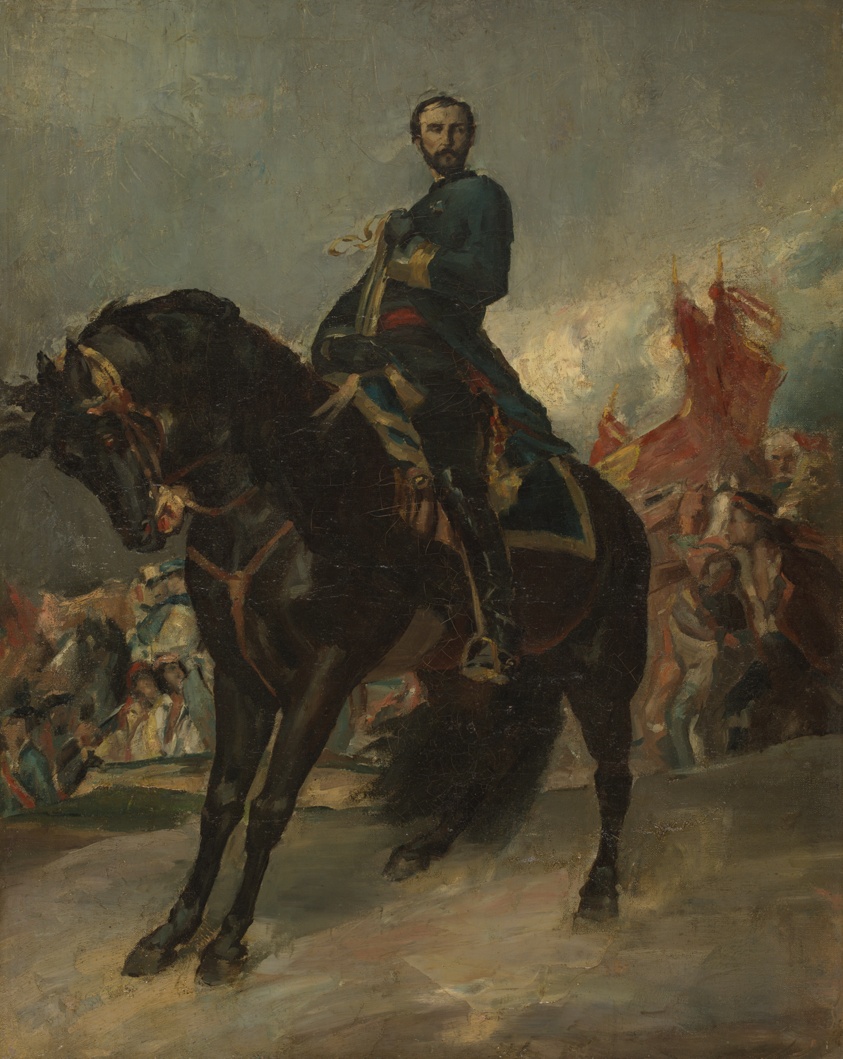
What does a horse portrait look like?
A horse portrait usually shows the whole animal in profile or at three-quarters, often with its rider, so the build and coat are as clear as the face. Both works below are 19th-century oil paintings of horses and riders.
Horses guide-
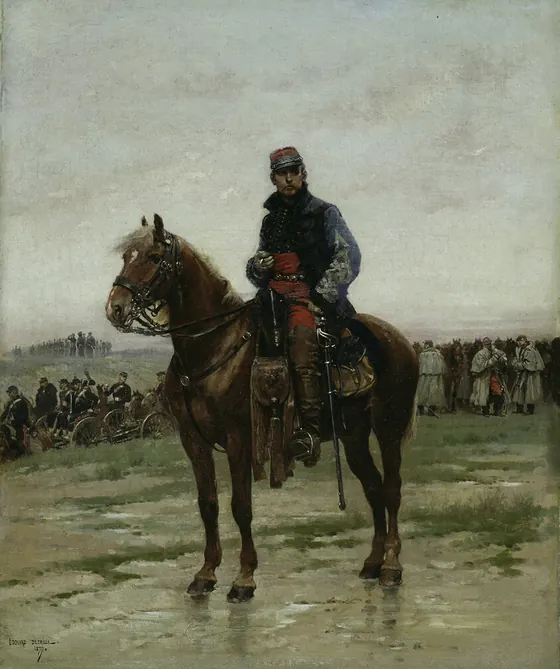
A Mounted Officer
Jean Baptiste Édouard Detaille, 1877
Oil on canvas
-
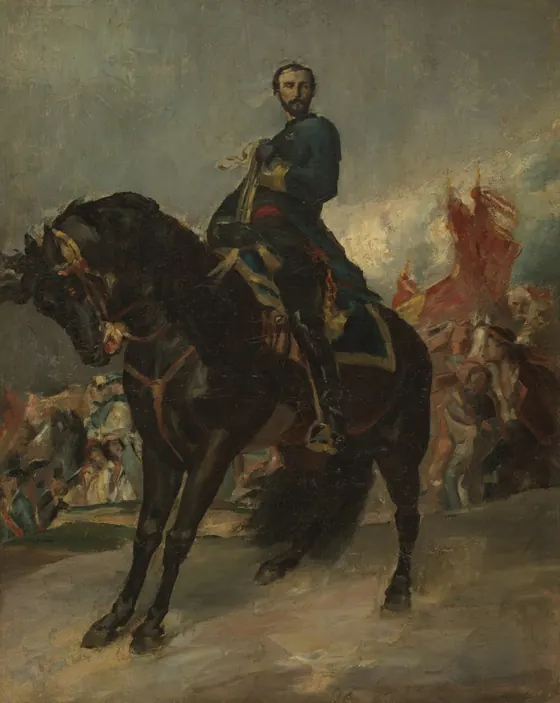
General Juan Prim (1814-1870)
Henri Regnault, 1868
Oil on canvas
How have artists made cat portraits?
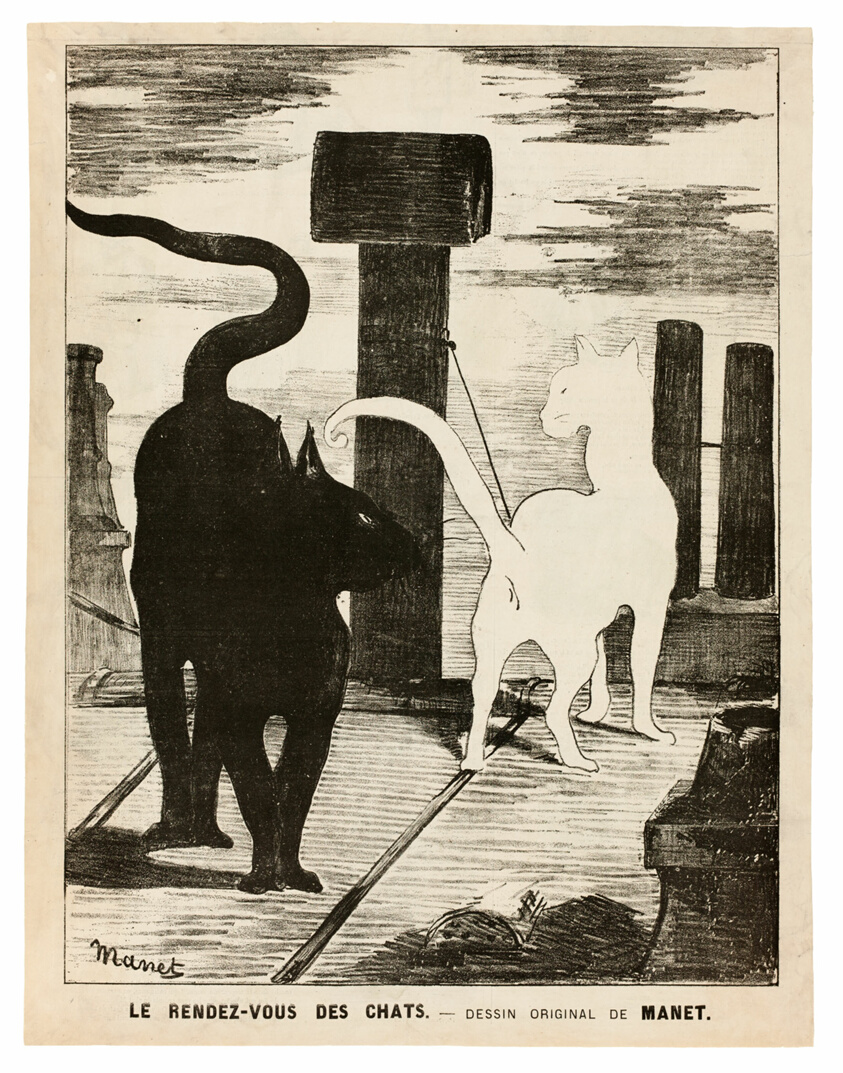
Artists have often made cat portraits as prints and drawings, where line and pattern suit fur and movement. Manet made this lithograph of two cats on a rooftop in 1868.
Cats guide-
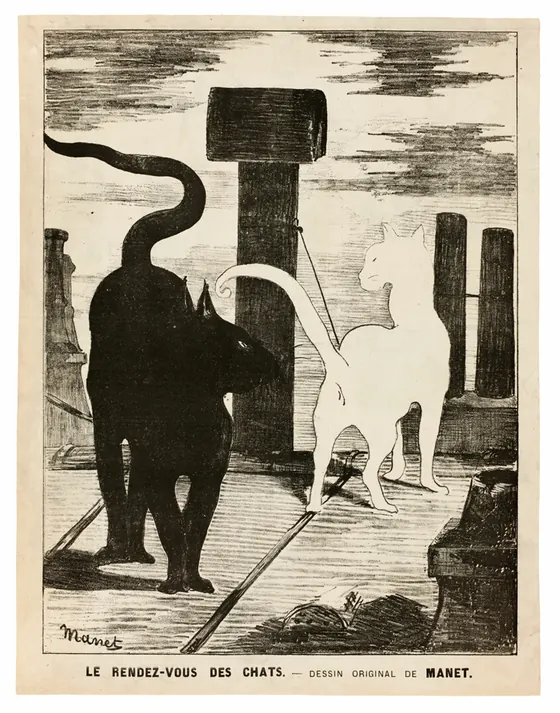
The Cats' Rendezvous
Édouard Manet, 1868
Lithograph in black on ivory wove paper, laid down on ivory cloth
What does a digital portrait look like?
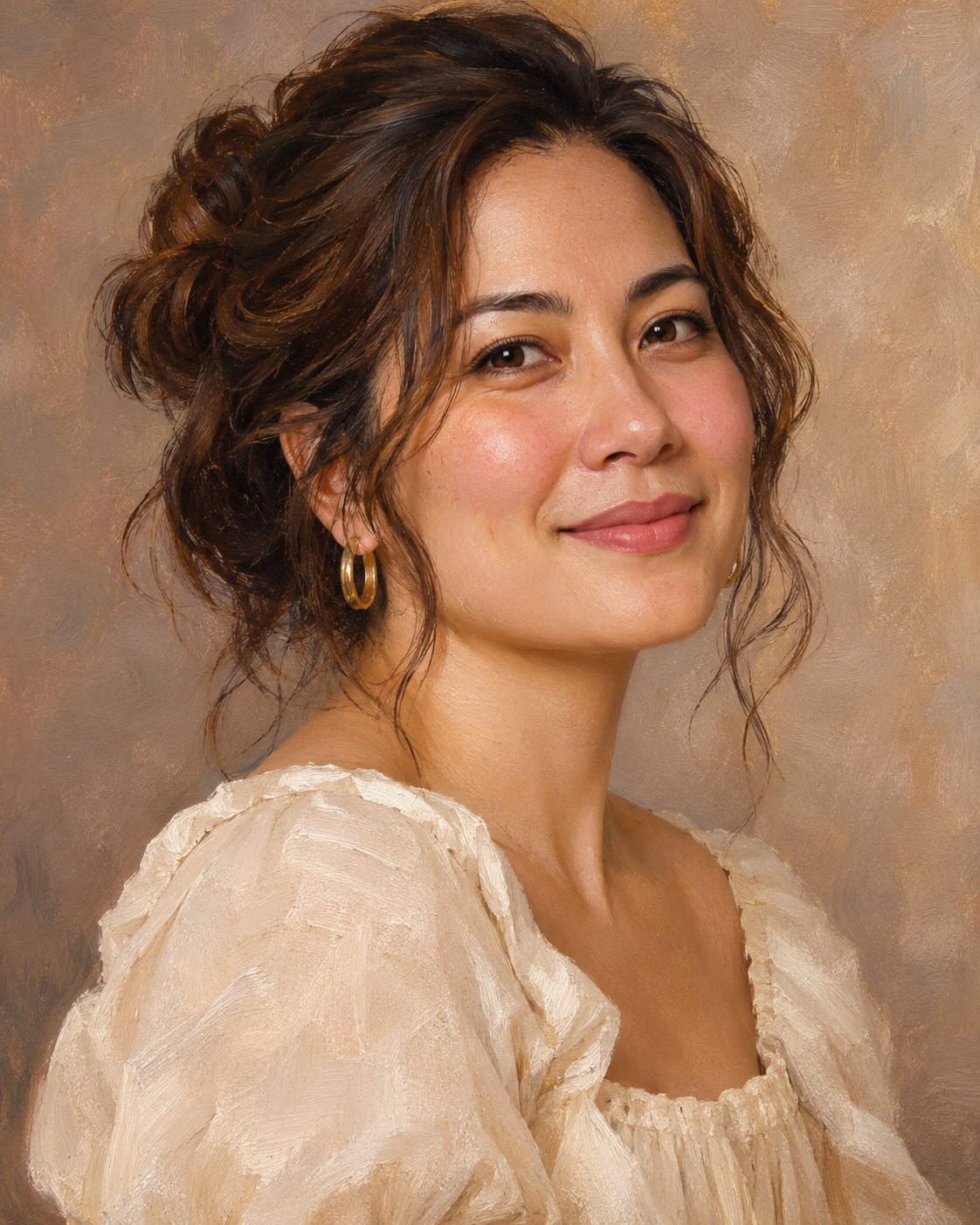
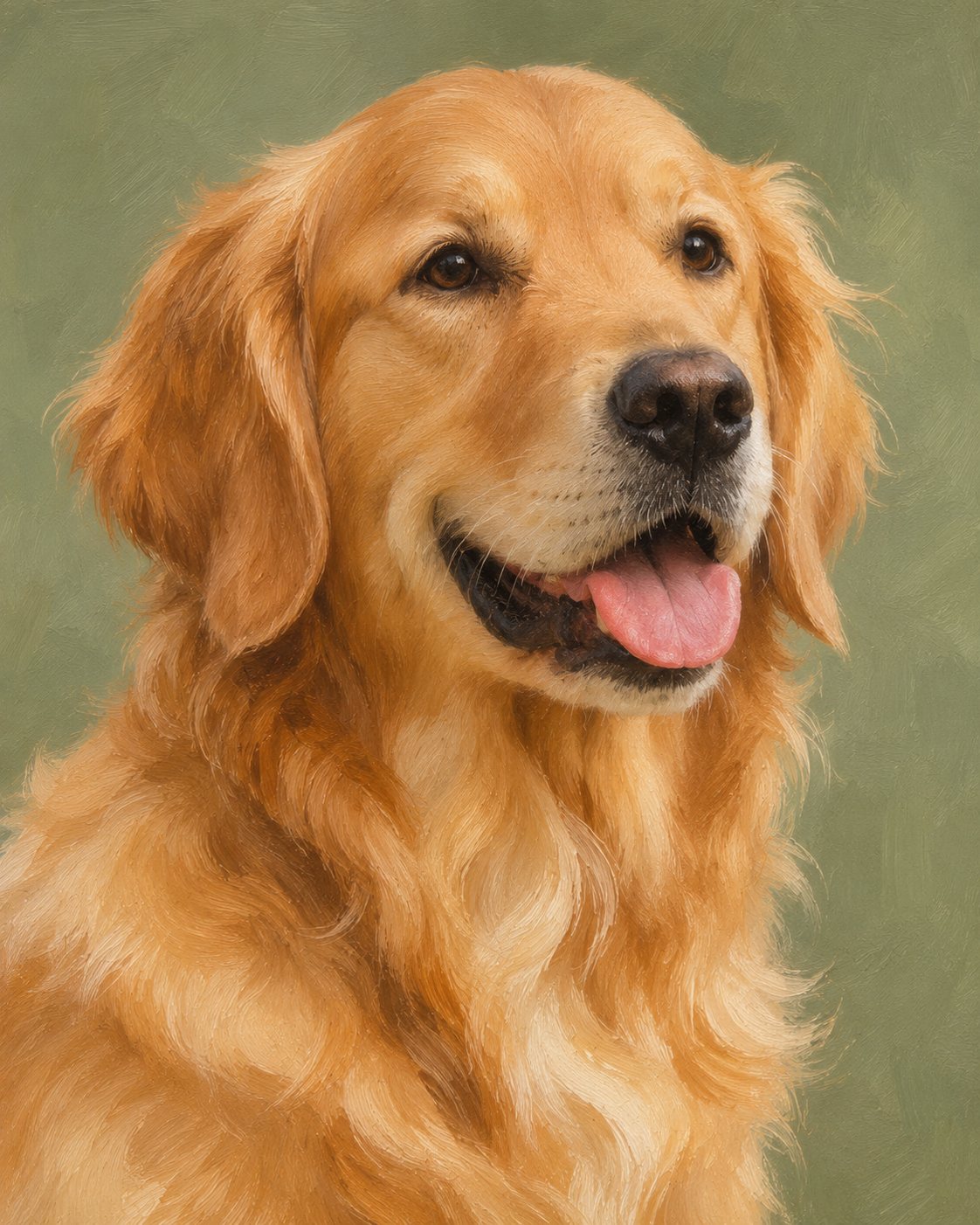
A digital portrait is made on a screen and delivered as a file, so it can look like a smooth painting, a drawing or anything in between. No museum holds public-domain examples of this style, so the two samples below were generated with AI for this guide. They are not commissions and do not show real people.
Digital guide-
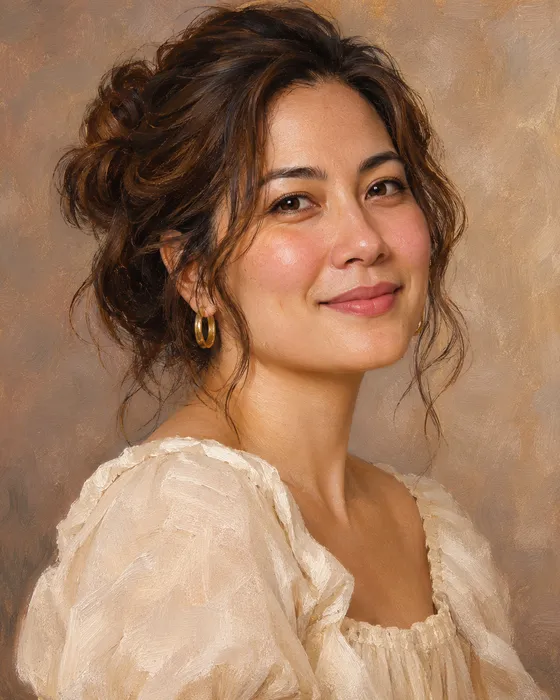
Digital portrait sample: woman
AI-generated sample
Digital painting style. Made with ChatGPT, November 2026. Not a real person or commission.
-
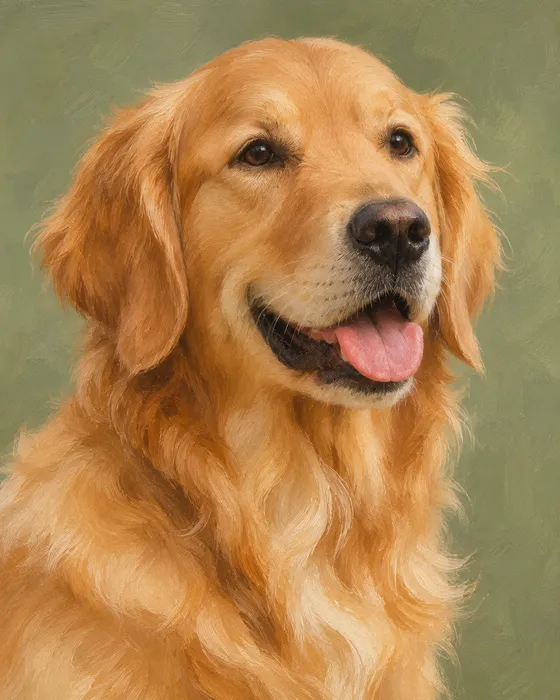
Digital portrait sample: golden retriever
AI-generated sample
Digital painting style. Made with ChatGPT, November 2026. Not a real person or commission.
What does a pop art portrait look like?
A pop art portrait uses flat, bright color, strong black shadows and printing effects such as halftone dots, often repeating one face in several color schemes. Both samples below were generated with AI for this guide, because this style has no public-domain museum examples. Neither shows a real person.
Pop art guide-
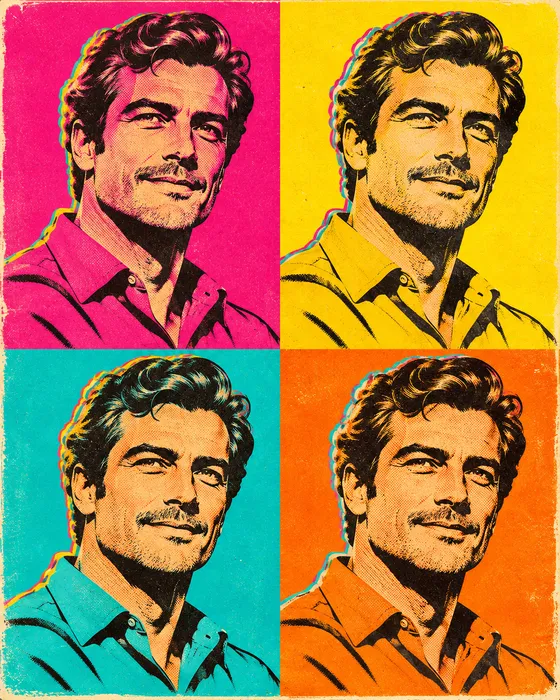
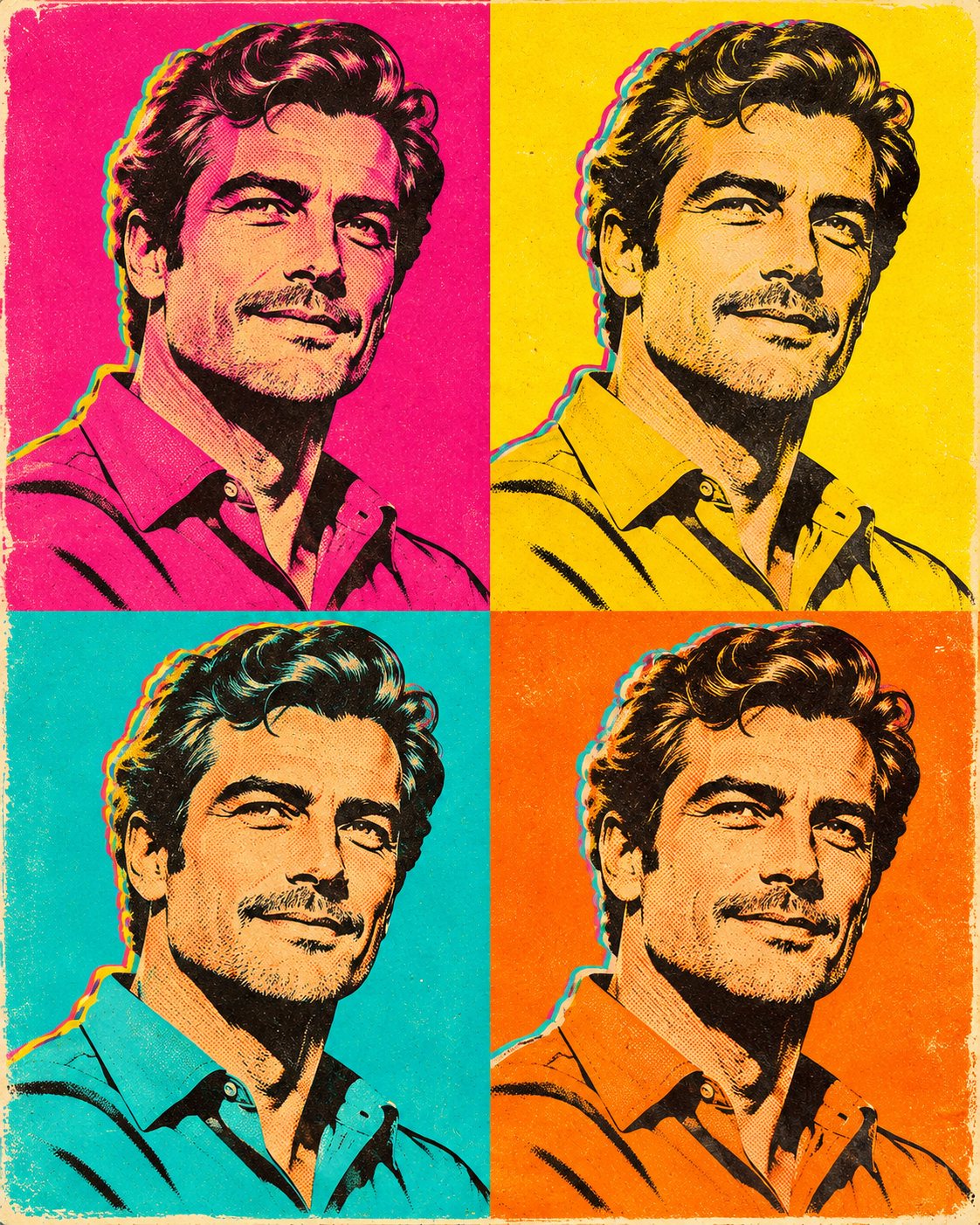
Pop art sample: four-color grid
AI-generated sample
1960s screen-print pop art style. Made with ChatGPT, November 2026. Not a real person or commission.
-
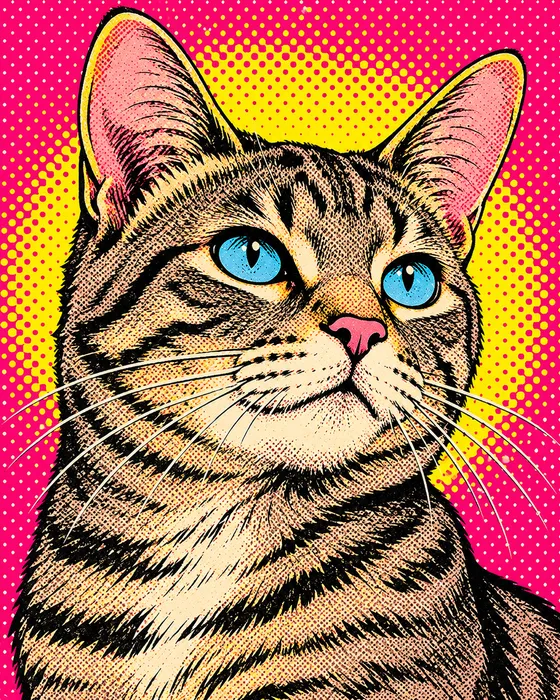
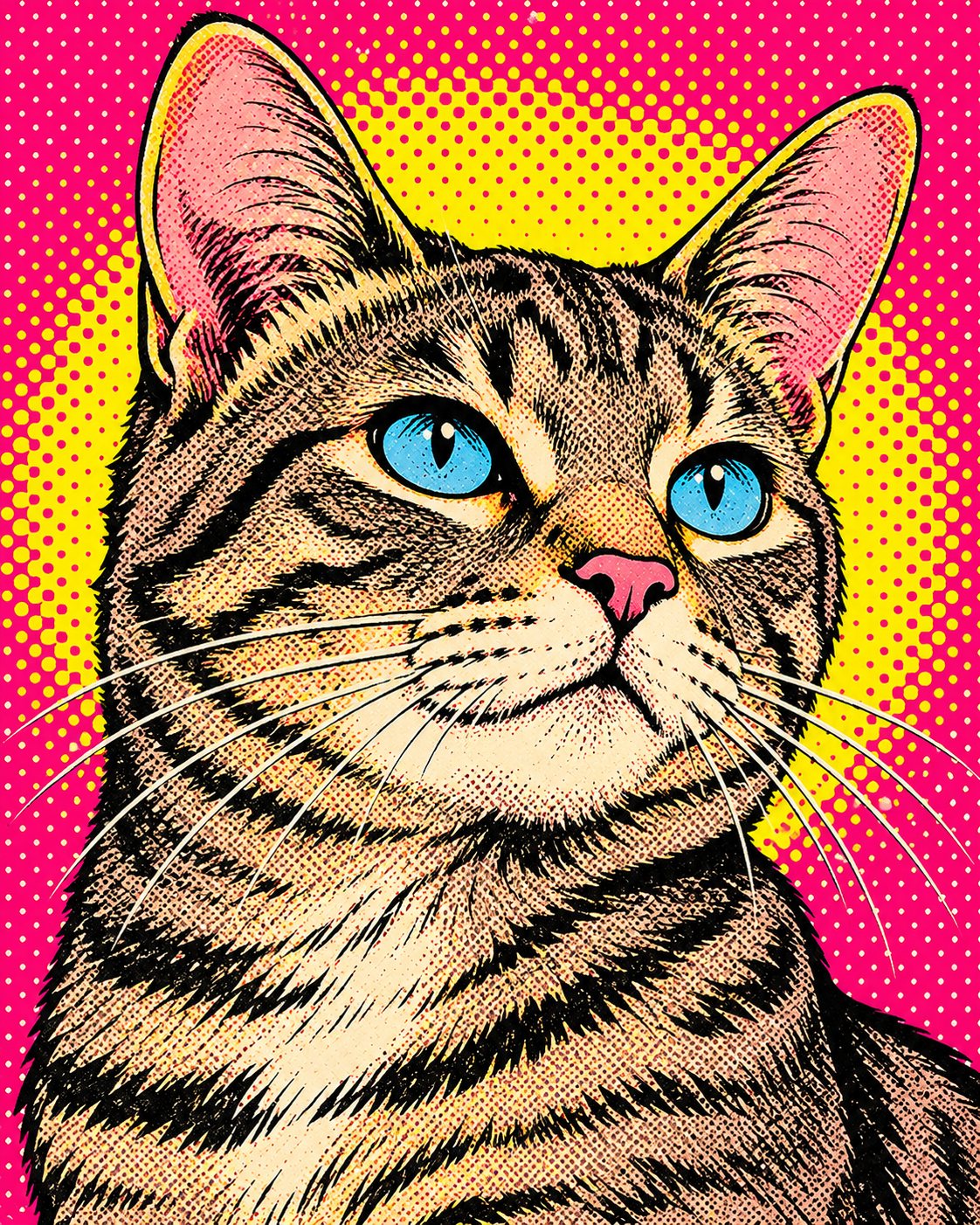
Pop art sample: tabby cat
AI-generated sample
Comic-print pop art style with halftone dots. Made with ChatGPT, November 2026. Not a real person or commission.
Where do the Portrait Guide’s portrait examples come from?
Every museum portrait on this page comes from the Art Institute of Chicago’s open-access collection and is marked public domain (CC0) in the museum’s own records, which we checked through its public API in November 2026. Each label gives the medium and the museum’s credit line, and you can click any painting to see it at full size.
None of these were made from a client’s photo. They are museum paintings and drawings, shown so you can see what each style looks like. Digital and pop art portraits have no public-domain museum examples, so those two rooms show samples we generated with ChatGPT in November 2026. Each is labelled on the page and in the image file, and none shows a real person or a real commission. The digital portrait guide and the pop art guide explain how each style is made.
Not sure which style to pick? The portrait styles guide compares them side by side, and choosing the best photo explains what each style needs from your picture.